After 50: The Common Egg-Eating Mistakes Many People Still Make
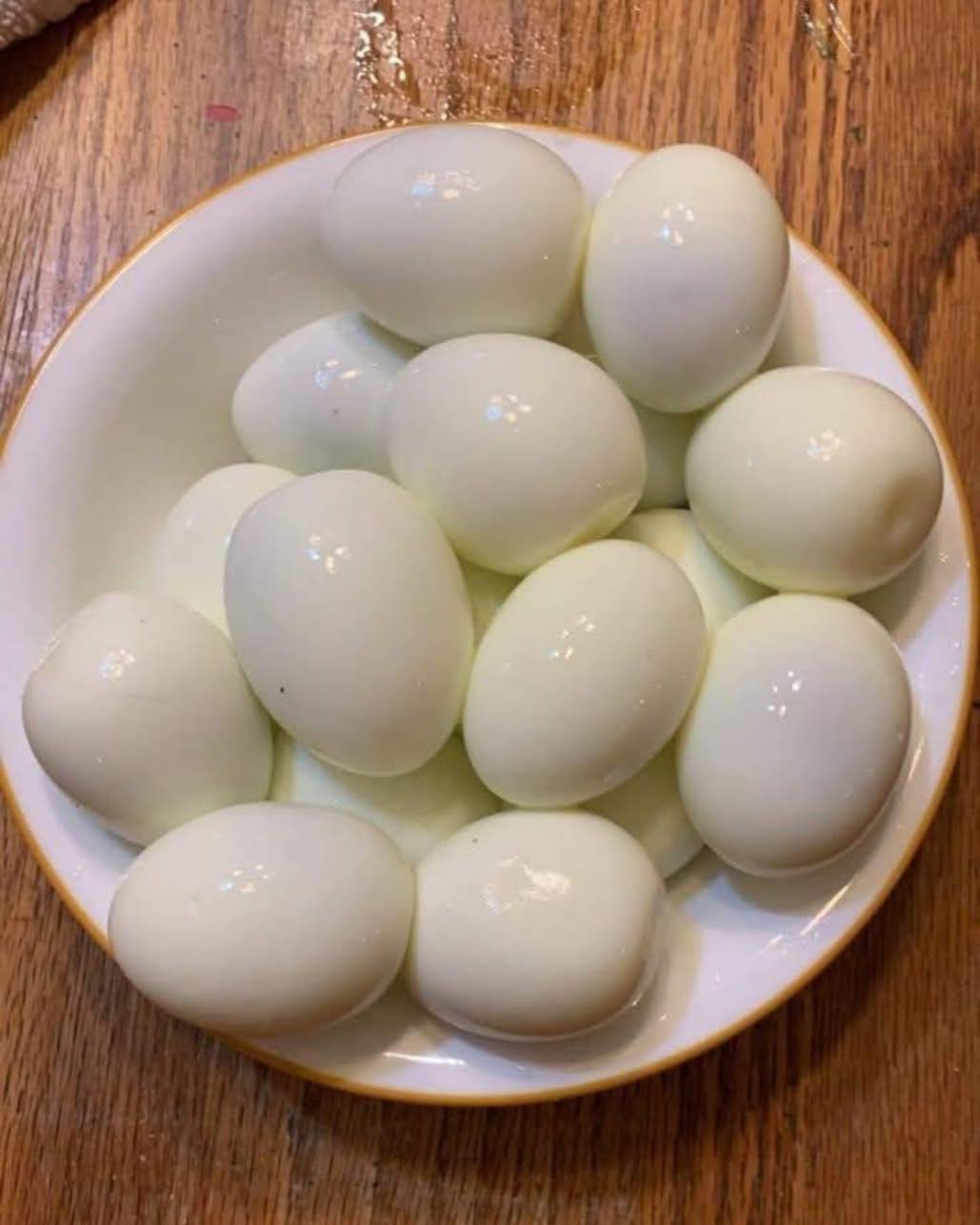
Imagem: Reprodução
Publicado em 01 de maio de 2026
The Mistakes When Eating Eggs That Can Harm Your Health — And How to Avoid Them.
Eggs are one of the most complete foods in a diet.
Rich in high-biological-value proteins, B-complex vitamins, choline, and antioxidants, they can directly contribute to maintaining muscle mass, brain health, and metabolic balance throughout the years.
However, the way they are prepared, consumed, and stored makes all the difference.
Some common habits reduce the nutritional value of the food, hinder digestion, and can even promote inflammatory processes in the body.
Furthermore, with advancing age, the body begins to react differently to foods.
Read also

Digestion tends to slow down, and the body can become more sensitive to excesses, especially of fat and heavy preparations.
In this scenario, details such as temperature, cooking time, and food combinations cease to be secondary and begin to have a direct impact on well-being after meals.
Why the Preparation Method Makes Such a Big Difference
As years pass, the body undergoes natural changes: metabolism slows down, digestion can become more sensitive, and nutrient absorption becomes less efficient.
Therefore, it's not enough to simply include eggs in your diet — it's essential to prepare them correctly.
A poorly prepared egg can lose important nutrients or become more difficult to digest, especially for those who already experience discomforts such as bloating, heartburn, or a feeling of heaviness after meals.
Excess Fat: The Most Common Mistake
Frying eggs with too much oil, especially refined oils, is one of the most harmful habits.
Eggs easily absorb fat, significantly increasing the meal's calorie count.
This excess can slow down digestion and contribute to inflammatory processes in the body — something that should be avoided, especially after 50, when the risk of metabolic diseases tends to increase.
The ideal is to use little fat or opt for preparations like boiled, poached, or scrambled eggs with a minimal drizzle of olive oil.
Excessively High Temperatures Also Harm
Another frequent mistake is cooking eggs at very high temperatures, leaving the whites dry and the edges burnt.
Excessive heat can degrade sensitive vitamins and oxidize the egg's natural fats, reducing its nutritional value.
Gentler preparations better preserve nutrients and make the food lighter for the body.
Raw or Undercooked Eggs: Risk and Reduced Benefit
Many people believe that consuming raw eggs or eggs with very runny yolks is healthier, but this is not true.
Besides the risk of bacterial contamination, such as salmonella, the body has more difficulty absorbing protein in these cases.
Proper cooking improves nutrient bioavailability and makes the food safer.
The Yolk Myth: Why We Shouldn't Discard It
Avoiding the yolk is a classic mistake, especially among those who fear cholesterol.
However, it is precisely in the yolk that essential nutrients like vitamin D, choline, and antioxidants important for vision and brain health are found.
For people over 50, these nutrients are even more valuable.
Instead of eliminating the yolk, the best approach is to balance the amount consumed throughout the day.
The Silent Mistake with Boiled Eggs
Boiled eggs are one of the healthiest ways to consume them — but only when prepared correctly.
Cooking eggs for an excessive amount of time (more than 8 minutes) can form a greenish ring around the yolk.
Although not toxic, this indicates a loss of nutritional quality.
Furthermore, overcooked eggs become denser and harder to digest, which can cause discomfort, especially after the age of 50.
The ideal is to cook for about 3 to 4 minutes (for a softer yolk) or until firm, but without overdoing the time, and always cool them in cold water after preparation to stop the cooking process.
Storage and Hygiene: Details That Make a Difference
Simple everyday mistakes also impact egg quality:
- Storing outside the refrigerator increases the risk of contamination.
- Washing before storing removes the shell's natural protective layer.
- The correct approach is to clean them only at the time of consumption.
Additionally, keeping eggs on an inner shelf of the refrigerator helps better preserve their durability and safety.
Combinations That Sabotage the Benefits
Another important point is what the egg is consumed with. Preparing it with very fatty, processed, or sodium-rich ingredients can negate its benefits.
For a healthier diet, the ideal is to combine it with vegetables, greens, and natural foods, creating balanced and nutritious meals.
How to Maximize the Benefits of Eggs After 50
Small daily changes make all the difference:
- Prefer preparations with little fat.
- Cook correctly, without excessive time or heat.
- Consume the whole egg, including the yolk.
- Store properly.
- Combine with natural foods.
When properly prepared, the egg ceases to be just a common food and becomes a great ally for health, aiding in satiety, muscle mass maintenance, brain function, and metabolic balance.
After 50, there's no need to avoid eggs — just learn to consume them the right way.
Read also
Comments (1)
Good morning nice meeting you thank you