Health Experts Reveal What Eating Tilapia Might Cause...
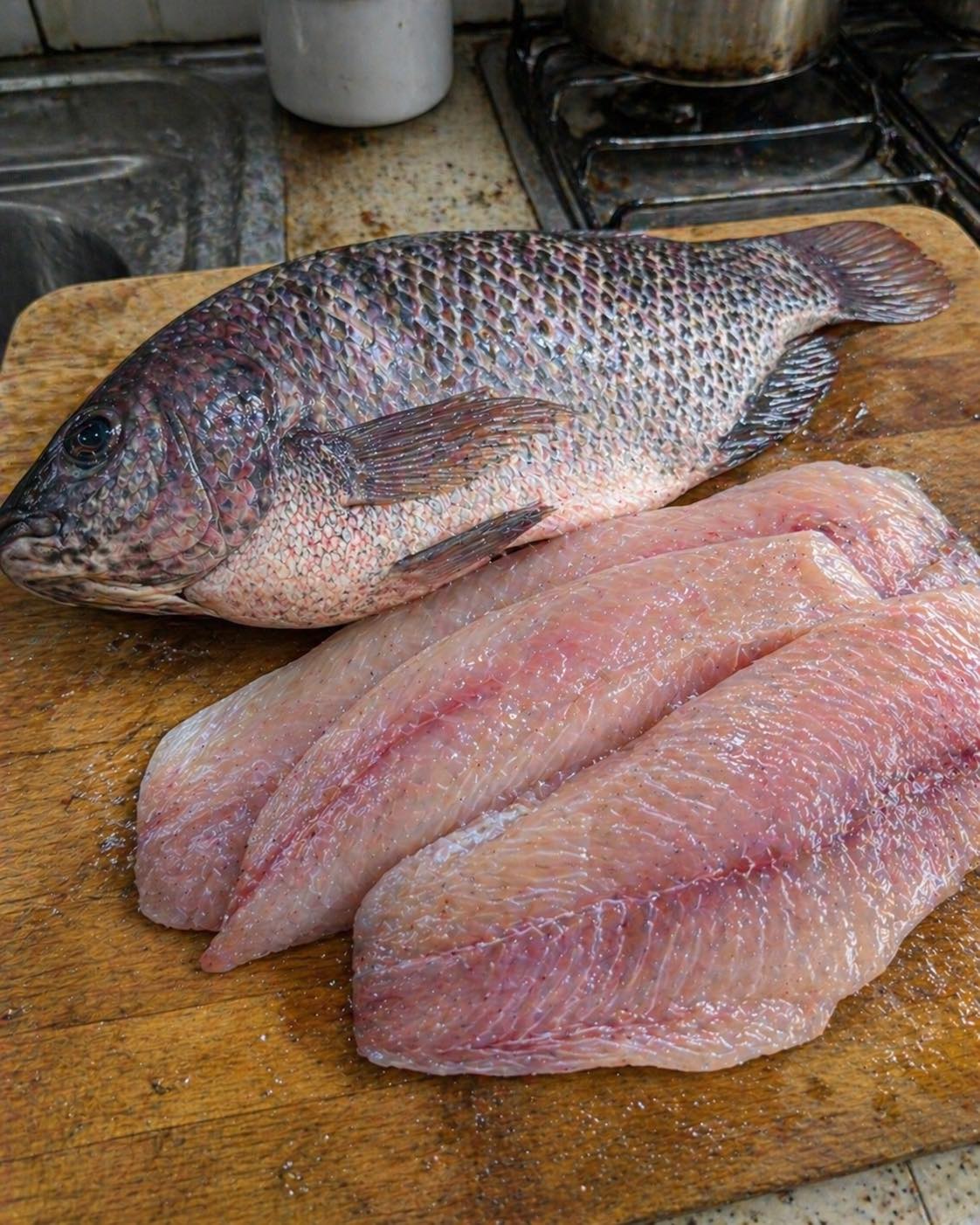
Imagem: Reprodução
Publicado em 30 de abril de 2026
Recent Data and Studies Suggest Caution Regarding Tilapia Consumption, Highlighting Key Concerns.
Tilapia is one of the most widely consumed fish in the world—and for good reason. With its mild flavor, affordable price, and easy preparation, it has become a frequent feature on many people's plates.
However, while praised for its nutritional value, it also raises concerns related to farming practices and the quality of its fat content.
So, is tilapia worth consuming? The answer isn't so simple. Below, you'll understand its benefits, potential risks, and how to make safer choices.
What is Tilapia?
The term "tilapia" doesn't refer to a single species, but rather to a group of freshwater fish belonging to the cichlid family.
Read also

Originally native to Africa, it is now farmed in over 135 countries, making it one of the world's primary sources of farmed fish.
A large portion of globally consumed tilapia comes from aquaculture, with Asian and Latin American countries being major producers.
Nutritional Value: The Upside
Despite the criticisms, tilapia boasts an interesting nutritional profile, especially for those seeking lean protein.
A serving of about 85g of cooked tilapia offers:
- Approximately 110 calories
- Around 23g of protein
- Low fat content
- Good amount of selenium
- Presence of phosphorus and vitamin D
Rich in Quality Protein
Tilapia is an excellent source of protein, essential for muscle maintenance, hormone production, and overall bodily function.
An Important Source of Selenium
This mineral acts as an antioxidant, helping to protect cells from damage and contributing to the proper functioning of the thyroid and immune system.
Contributes to Bone Health and Metabolism
The phosphorus and vitamin D found in tilapia aid in bone health, in addition to participating in important metabolic functions.
Low Mercury Content
Compared to larger fish, tilapia tends to accumulate less mercury, making it a relatively safe option for various age groups.
Omega-3 vs. Omega-6: Where's the Controversy?
One of the main points of debate surrounding tilapia lies in its fat composition.
Fish are generally valued for being rich in omega-3, a type of fat with anti-inflammatory effects. However, tilapia contains relatively low amounts of this nutrient.
And, according to studies, omega-3 fatty acids can contribute to reducing blood triglyceride levels and increasing HDL cholesterol, known as "good" cholesterol.
On the other hand, it has a higher proportion of omega-6.
Is This a Problem?
It depends on the context.
- Omega-3 helps reduce inflammation.
- Omega-6 is also necessary, but in excess, it can promote inflammatory processes.
The problem isn't with tilapia in isolation, but with the overall dietary pattern. Modern diets often already have an excess of omega-6 and too little omega-3, which can unbalance this ratio.
Still, experts emphasize that there is no scientific consensus that tilapia, by itself, causes significant inflammation.
Farming-Related Risks
Here lies the most sensitive point.
As most tilapia is farmed in captivity, the quality of the fish directly depends on production practices.
Feed and Environment
In some regions, especially where regulation is lax, fish may be fed low-quality feed—including grains, soy, and even animal waste.
Furthermore, overcrowded environments can foster:
- Accumulation of waste;
- Higher risk of contamination;
- Need for antibiotic use.
Antibiotic Use
In intensive farming systems, frequent antibiotic use may occur to prevent diseases. This raises concerns about bacterial resistance and impact on human health.
Origin Makes a Difference
Not all tilapia presents these problems. Countries with better aquaculture practices tend to offer safer products.
Therefore, the fish's origin is an essential factor when making a choice.
For example, the Seafood Watch program from the Monterey Bay Aquarium recommends avoiding tilapia from China, due to reports of possible use of banned antibiotics and indications of resistance to these medications.
Is Tilapia Safe to Eat?
Yes—provided it comes from reliable sources.
When farmed sustainably, with adequate sanitary control and proper feeding, tilapia can be a healthy and nutritious option.
Quality seals and certifications are good indicators that the fish was produced responsibly.
Who Should Be More Cautious?
Some individuals may need to be more cautious with frequent consumption of low-quality tilapia, especially:
- People with inflammatory diseases.
- Those with cardiovascular problems.
- Individuals with sensitive immune systems.
In these cases, it's even more important to prioritize origin and vary protein sources.
Alternatives Richer in Omega-3
If the goal is to increase omega-3 intake, other fish can be more appealing choices, such as:
- Salmon
- Sardines
- Mackerel
- Cod
These options typically have a higher concentration of beneficial fats.
How to Consume Tilapia More Healthily
If you enjoy tilapia, there's no need to eliminate it from your diet. The key is to make more conscious choices.
Opt for Good Provenance
Choose products with certification or from regions known for good production practices.
Vary Your Consumption
Don't rely on a single type of fish. Alternating with other sources is a more balanced strategy.
Opt for Healthy Preparations
Avoid frying and prefer:
- Baked;
- Grilled;
- Prepared in an air fryer.
Conclusion
Tilapia is neither a villain nor a superfood—it lies somewhere in the middle.
On one hand, it offers quality protein, low caloric content, and important nutrients. On the other hand, it raises concerns when sourced from inadequate farming systems and has lower omega-3 content compared to other fish.
Ultimately, the most important factor is context: the quality of the fish, the method of preparation, and the overall balance of your diet.
When consumed in moderation and chosen carefully, tilapia can indeed be part of a healthy diet.
Read also
Comments (3)
I enjoy tilapia, but now I have concerns. How can I be sure the tilapia I buy is good to eat? Who do I trust with the truth?
Good morning nice meeting with you thank you
Thanks for the incisive information 👍 I always chose sardine sometimes avoiding the 0il