Does This Liquid Destroy Your Bones? Unveiling the Truth About a Common Drink
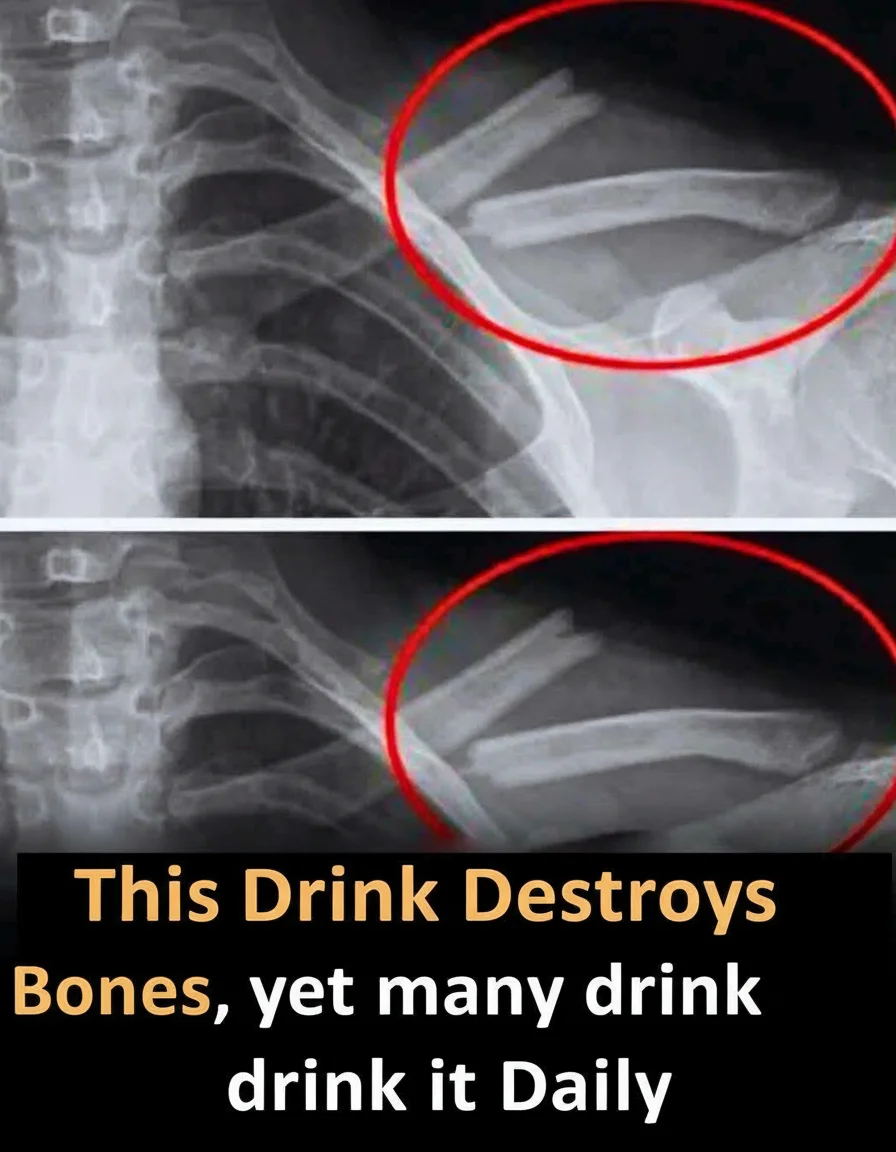
Imagem: Reprodução
Publicado em 23 de março de 2026
Understand How Soda Consumption Can Affect Your Health, From Bones to Sleep.
It's a staple at family lunches, home movie nights, and gatherings with friends.
Soda has become synonymous with moments of relaxation.
However, behind the refreshing bubbles and sweet taste lies a less pleasant side that deserves our attention, whether it's the traditional, zero, or diet version.
The aim here isn't to create alarm, but to have an honest conversation about how this beverage, when consumed frequently, can impact our bodies in ways we often don't realize.
Shall we explore, point by point, how it affects our system?
1. A Silent Risk to Bone Health
Did you know that soda can make your bones more fragile?
The main culprit is phosphoric acid, very common in cola-based drinks. This substance can hinder the body's absorption of calcium, an essential mineral for maintaining strong and healthy bone structure.
A significant study by Tufts University in the United States observed that women who regularly consumed cola soda had lower bone density in the hip region.
This is an important point of concern, especially for women over 40, when osteoporosis prevention becomes even more critical.
2. The Illusion of "Zero" or "Diet" Soda
Many people switch from regular soda to the "zero" or "diet" version, believing they are making a healthier choice.
However, the body might disagree. Studies suggest that artificial sweeteners in these beverages can "trick" the brain.
They alter our satiety signals and can, paradoxically, increase cravings for sweets and higher-calorie foods.
Furthermore, some research links frequent consumption of diet sodas to an increase in abdominal fat.
3. A Warning for Heart Health
The impact on the cardiovascular system is another major concern. Daily consumption of sugary drinks overloads the body.
A study conducted by Harvard University showed that this habit increases the risk of heart problems.
In women, regular soda consumption is also linked to higher levels of triglycerides, which are a type of fat in the blood.
When elevated, they become a risk factor for heart disease.
4. The Direct Impact on Blood Sugar
Both sugar-sweetened and artificially sweetened versions can be problematic for blood sugar control.
Sugary drinks cause glucose spikes, forcing the pancreas to work harder to produce insulin.
Over time, this process can lead to insulin resistance, a precursor to the development of type 2 diabetes.
5. Your Teeth, Kidneys, and Even Your Sleep Suffer
The effects don't stop there. The combination of sugar and acidity in sodas is a declared enemy of tooth enamel, facilitating the appearance of cavities.
Some beverages also contain substances that can contribute to the formation of kidney stones.
And what about your sleep? Caffeine, present in many sodas, can disrupt rest, causing insomnia or nocturnal awakenings.
Frequently Asked Questions About Soda
- Does soda really weaken bones?
Yes, especially cola types. The phosphoric acid in them can interfere with how your body uses calcium, which is vital for bone strength and density. - Does "zero sugar" soda cause weight gain?
It has no calories, but it can influence weight gain. Artificial sweeteners can confuse the body's hunger signals and increase cravings for other sweet foods. - What's the worst type of soda for your health?
It's hard to pick just one. Sugary ones are bad due to excessive calories and impact on blood sugar. Cola types are concerning for bones. Generally, frequent consumption of any type is discouraged. - How can I reduce my soda consumption?
Start gradually. Try replacing a glass of soda with sparkling water and squeezed lemon or a homemade iced tea. Gradual change is easier to maintain.
There's no need to declare total war on soda and never take another sip. The most important thing is awareness.
Understanding what we consume empowers us to make better, more balanced choices for our health.
Reducing frequency is already a big step. Taking care of yourself also means making kinder choices for your body, one day at a time.
Read also
Comments (0)
No comments yet. Be the first to comment!