Iran's Prophetic Role in the Bible: From Redemptive Empire to End-Times Foe
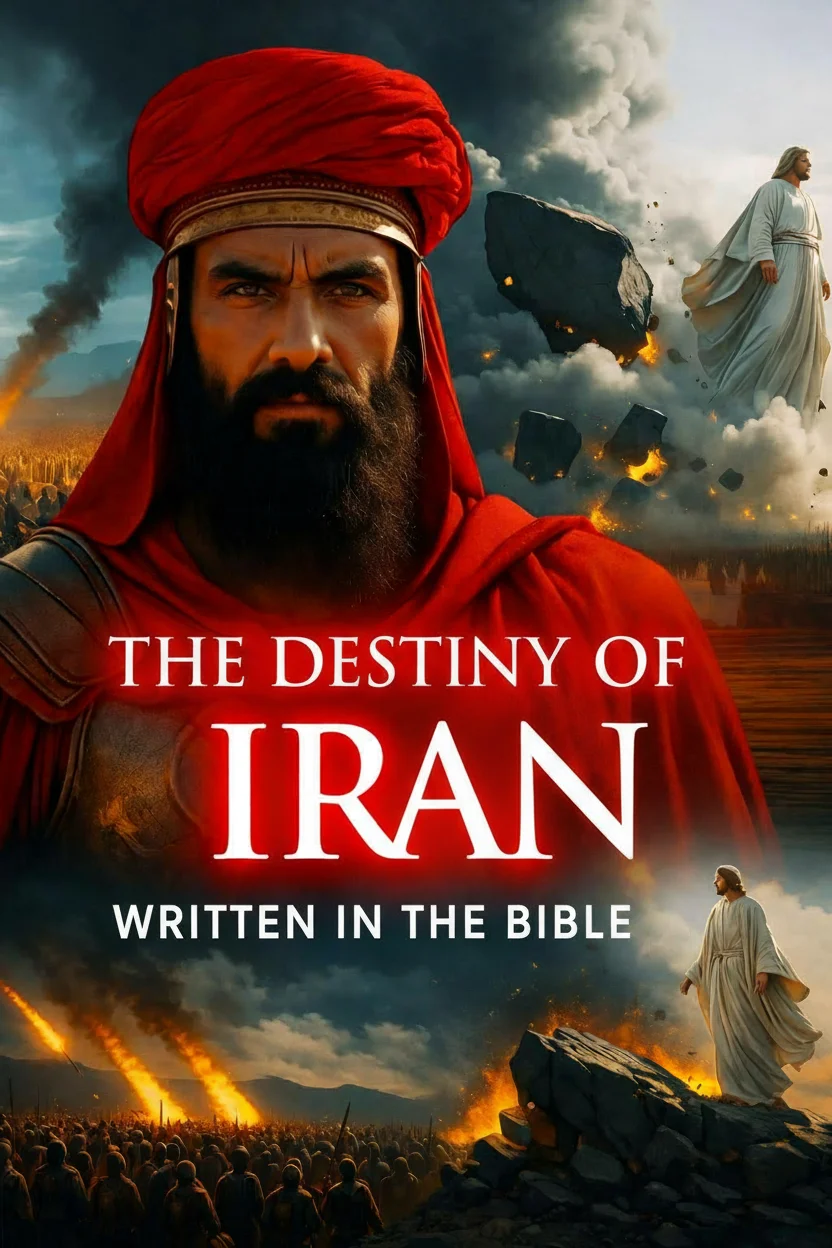
Imagem: Reprodução
Publicado em 24 de março de 2026
Discover Iran's historical and spiritual role within the plan described in the Bible.
Iran, known as Persia in antiquity, has frequently been in the news due to its political decisions, nuclear programs, and international alliances.
However, long before it became prominent on the current world stage, its history was already recorded in the Scriptures.
From the Genesis narrative to prophecies related to the end times, Persia is cited as an important part of the divine plan.
According to biblical interpretations, the country not only played a relevant role in the past but may also be linked to future events.
The Biblical Origin of Persia
Descendants of Noah and the Emergence of Peoples
After the flood, the earth was repopulated by Noah's descendants. From Japheth came Madai, considered the ancestor of the Medes, who inhabited regions in the north of present-day Iranian territory.
Read also

From Shem came Elam, ancestor of the Elamite people, established in the southwest of the region.
These groups formed the basis of what would later become the powerful Persian Empire.
One of the First Conflicts Between Nations
Elam Against Abraham's People
In Genesis chapter 14, King Chedorlaomer, ruler of Elam, led a military alliance that invaded Canaan and captured Lot, Abraham's nephew.
In response, Abraham gathered only 318 men and managed to defeat the invading army.
The episode is often interpreted as a demonstration that human power does not prevail when there is divine intervention.
Persia as an Instrument in God's Plans
The Messages of the Prophets
Prophets like Isaiah and Jeremiah announced that Persia would be used to fulfill important purposes, including the judgment of Babylon and the liberation of the people of Israel.
Isaiah even mentioned King Cyrus by name about a century and a half before his birth, pointing to his future role in this mission.
The Conquest of Babylon and the Freedom of the Jews
Cyrus, known as Cyrus the Great, took Babylon virtually without battle.
After the conquest, he authorized the exiled Jews to return to their land and even contributed to the reconstruction of the temple in Jerusalem.
This gesture made Persia one of the few non-Israelite empires remembered for an act of restoration and support for God's people.
Daniel's Prophetic Visions
During the period of exile in Babylon, the prophet Daniel received symbolic revelations about the future of nations.
In one of these visions, the Medo-Persian empire appears represented by a bear leaning to one side, indicating Persian supremacy.
In another, it emerges as a ram with two horns, symbolizing the union between Media and Persia and their dominant strength at the time.
The Persian Empire in the Book of Esther
In the city of Susa, the empire's capital, lived Esther, a young Jewish woman who became queen.
Through courage and faith, she managed to thwart a plan of extermination against her people, devised by a high government official.
By risking her own life to intercede before the king, Esther became a symbol of protection and deliverance. Once again, Persia appears as a setting for Israel's preservation.
The Wise Men from the East and the Birth of Jesus
Centuries later, the Gospel of Matthew recounts the visit of wise men from the East to worship the newborn Jesus.
Although their origin is not specified, many scholars believe they may have come from the region of ancient Persia.
Possibly influenced by ancient traditions and writings, they interpreted the sign in the sky as the announcement of the Messiah's arrival.
Gog and Magog: Iran in End-Time Prophecies
Ezekiel's Vision
In chapter 38 of the book of Ezekiel, a great coalition of nations is described that would rise against Israel in a future period. Among the peoples mentioned is Persia, alongside other regions.
According to the text, this attempted attack will not succeed, as there will be divine intervention through extraordinary events that would demonstrate God's power before the nations.
Between Judgment and Restoration
Despite appearing in a confrontational scenario in prophecies, the Bible also presents messages of hope.
The prophet Jeremiah declared that Elam would face difficulties but would also be restored in the future.
This idea shows a balance between correction and the possibility of redemption.
Iran Within the Biblical Narrative
Throughout the Scriptures, Persia — modern-day Iran — appears at important moments:
- Descended from post-flood lineages.
- Was involved in ancient conflicts with Abraham.
- Allowed the return of Jews from exile.
- Supported the reconstruction of the temple in Jerusalem.
- Was the setting for the story of Esther.
- Possibly related to the wise men from the East.
- Is mentioned in prophecies about the end times.
Even so, the biblical narrative also suggests the possibility of restoration, reflecting a recurring message of fall, transformation, and renewal.
Final Reflection
Given the current scenario, many people observe events involving Iran with attention.
For those who analyze history from a biblical perspective, these facts can be seen as part of a larger context.
Regardless of the interpretations, the central message of the Scriptures points not only to warnings but also to hope.
Even amidst periods of tension and judgment, the possibility of change and restoration continues to be highlighted.
Read also
Comments (2)
Amen
God is in control, you may not notice or see it but I believe it Amen