Yellow Scabs with Discharge on the Scalp: What Could It Be and When to Worry
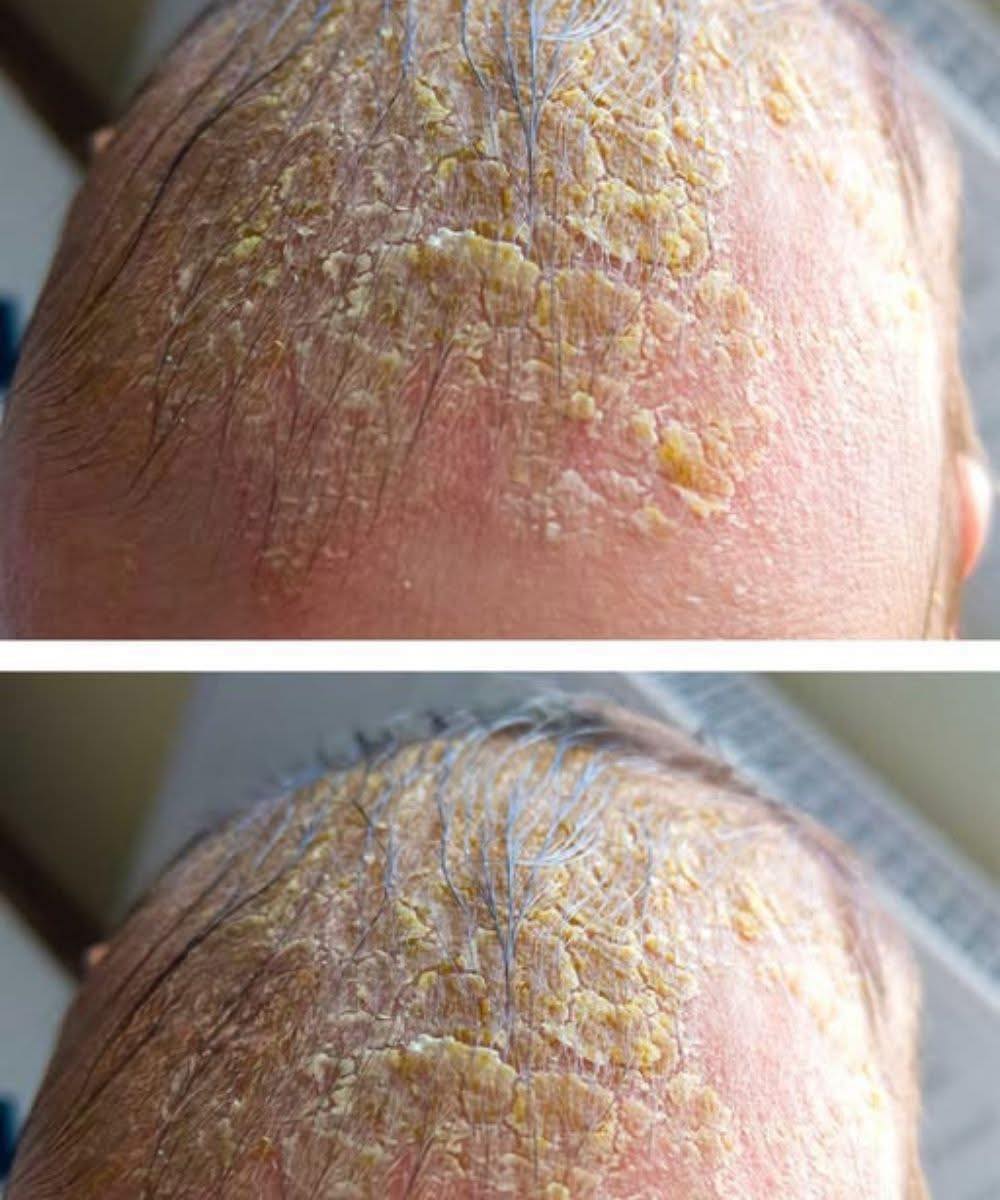
Imagem: Reprodução
Publicado em 04 de junho de 2026
Discover the Possible Causes of Yellow Scabs with Discharge on the Scalp.
Seeing yellowish scabs with discharge on your scalp is not just uncomfortable—it can be alarming, especially when they don't seem to heal. And when the waitlist for a doctor's appointment is long, anxiety only increases.
However, understanding the most common causes, recognizing warning signs, and adopting simple relief measures can provide greater peace of mind until professional evaluation.
What a Yellow Scab on the Scalp Means
Generally, yellowish scabs with discharge indicate inflammation or infection. The fluid that seeps from the skin dries and hardens, forming the scab. The yellow color is often linked to the presence of pus.
It's worth noting: the size of the affected area, the frequency of the discharge, and whether there is pain, itching, or redness around it.
Main Causes
Seborrheic Dermatitis
Red patches, flaking, and scabs can appear, especially in oily areas of the scalp.
Read also

Folliculitis
When hair follicles become inflamed, typically due to bacteria or fungi, pustules emerge that can rupture and form scabs.
Impetigo
A bacterial infection caused by Staphylococcus aureus or Streptococcus pyogenes. It begins as blisters or sores that rupture and leave thick, golden-colored scabs. It is highly contagious, more common in children, but can also affect adults.
Warning Symptoms
Be vigilant if, in addition to the scab, you notice:
- Redness, pain, and swelling around the lesion
- Lesions that grow or spread
- Fever, fatigue, or swollen lymph nodes
These signs indicate that the infection may be worsening and require immediate medical attention.
What Can Be Done at Home (Until Your Appointment)
While awaiting your appointment, some measures can help provide relief:
- Warm compress: softens the scab and reduces discomfort.
- Gentle, fragrance-free shampoo: keeps the scalp clean without irritation.
- Tea tree oil (diluted): has antimicrobial properties. Test on a small area first.
- Coconut oil: moisturizes and helps combat dryness.
Over-the-Counter Options
Some products can help with mild conditions:
- Anti-dandruff shampoos (zinc pyrithione, ketoconazole, selenium sulfide) — good for seborrheic dermatitis and fungal causes.
- Topical antibiotic creams (such as bacitracin or neomycin) — useful for suspected bacterial infections.
- Hydrocortisone cream — reduces inflammation and itching, but should be used with caution and, preferably, under medical guidance.
When to Seek Medical Help
- If the scab does not improve after one week of basic care.
- If there are signs of worsening, such as excessive pus, intense pain, or spreading lesions.
- If general symptoms appear, such as fever and malaise.
⚡ Did you know: The scalp is one of the most vascularized areas of the body, which is why small infections can spread quickly if not treated correctly.
Yellow scabs with discharge on the scalp should not be ignored. Most of the time, there's a simple solution, but they can hide infections that require medical treatment.
While waiting for an appointment, home remedies and over-the-counter products can provide relief, but a definitive diagnosis only comes with professional evaluation.
Read also
Comments (0)
No comments yet. Be the first to comment!