What Causes White Spots on Your Skin? Exploring the Possible Reasons
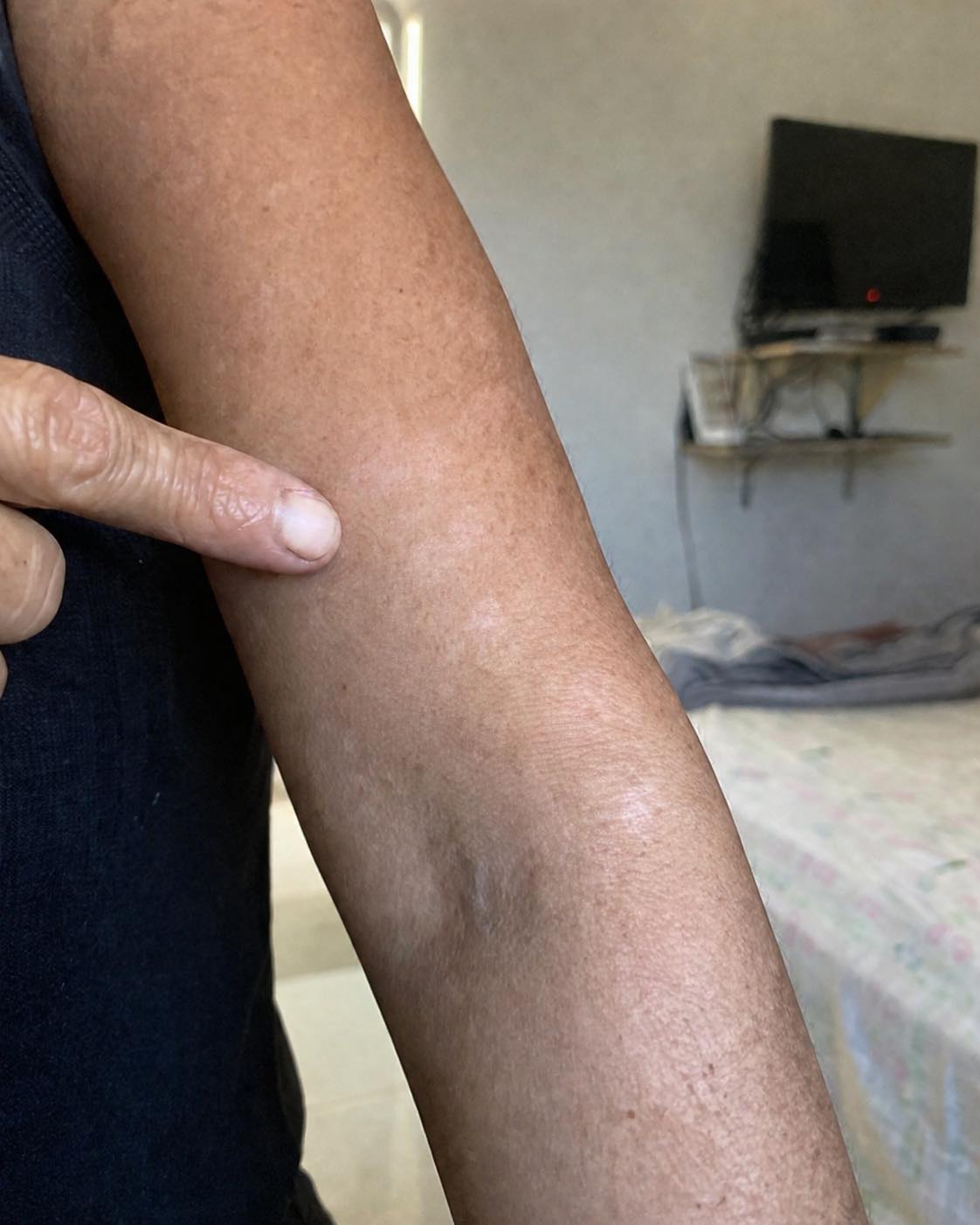
Imagem: Reprodução
Publicado em 02 de junho de 2026
Certain bodily deficiencies can affect skin color. Understand the signs and what to do when you notice white spots.
Have you ever noticed small white spots on your skin that just appeared out of nowhere? They don't itch, they don't hurt, but they can be bothersome. And often, they are ignored, which could be a mistake.
Behind these discreet marks, there might be a sign that something within your body needs attention. It could be just a superficial change, but it could also be directly related to an essential nutrient deficiency.
The skin, after all, is one of the first to react when the body is out of balance. And these white spots might be telling you more than they seem.
The Importance of Vitamin B12
Among the possible nutritional causes, a lack of vitamin B12 is one of the most common. When this nutrient is deficient, the body struggles to maintain some basic functions, and the skin is one of the affected areas.
Read also

People following vegetarian or vegan diets are often more prone to this type of deficiency, especially if they don't supplement. Vitamin B12, which is involved in blood production and nerve health, also impacts pigmentation.
White spots on the skin, in this case, can be an early sign. If they are accompanied by unusual fatigue or a tingling sensation, the advice is to see a doctor and check your vitamin levels.

Vitamin D: What the Sun Has to Do With It
Another nutrient that is often lacking in many people's lives is vitamin D. It primarily depends on sun exposure to be produced in the body, which has become rare with lives spent in offices, buildings, and in front of screens.
Without sufficient vitamin D, the body can fail on several fronts, including skin regeneration. And this, surprisingly, can manifest as white spots or areas with uneven coloring.
Responsible sun exposure (without overdoing it, but also without fear) can help. Including certain foods in your diet can also make a difference. Sardines, egg yolks, mushrooms, and fortified milk are good allies.
Minerals That Also Affect Skin Color
In addition to vitamins, certain minerals are essential for maintaining an even skin tone. Zinc and copper, for example, are directly linked to the production of melanin, the pigment that gives skin its color.
When these minerals are low, the body may have difficulty maintaining natural pigmentation. This is reflected in small, lighter spots that appear slowly and sometimes spread.
Calcium, although more commonly associated with bones, also influences skin health. Its deficiency can disrupt cellular functions and contribute to the appearance of these white marks.
Want to reduce the risk? Include foods such as:
- Seeds (pumpkin, sunflower)
- Seafood
- Nuts (walnuts, Brazil nuts)
- Dark leafy greens
- Whole grains

When It's Not Just a Nutritional Deficiency
Of course, not every white spot is related to a vitamin or mineral deficiency. Sometimes, the reason is different: a fungal infection, like tinea versicolor, or even an autoimmune problem, such as vitiligo.
Other times, the sun causes the damage, especially when the skin is already sensitized. All of this can lead to localized pigment loss.
If the spots appear, disappear, and return frequently, or if they are spreading, the best course of action is to consult a dermatologist. A clinical evaluation is the only way to know for sure what is happening.
Practical Tips for Skin Care
Fortunately, with a few routine adjustments, you can better protect your skin and reduce the chances of facing this type of problem.
Here are some actions that make a difference:
- Vary the foods on your plate. The more natural and colorful, the better.
- Set aside some time for sun exposure, but always with common sense.
- Hydrate your skin every day, both internally and externally.
- Get regular check-ups. Simple tests can help detect deficiencies.
- Noticed changes? Don't wait too long to investigate.
White spots on the skin might just be an aesthetic concern. Or they could be pointing to something more significant. The secret is not to ignore them, but to observe and care for them as you would any other signal your body sends.
Read also
Comments (0)
No comments yet. Be the first to comment!