Swollen Feet: What Your Body Is Telling You and How to Find Relief
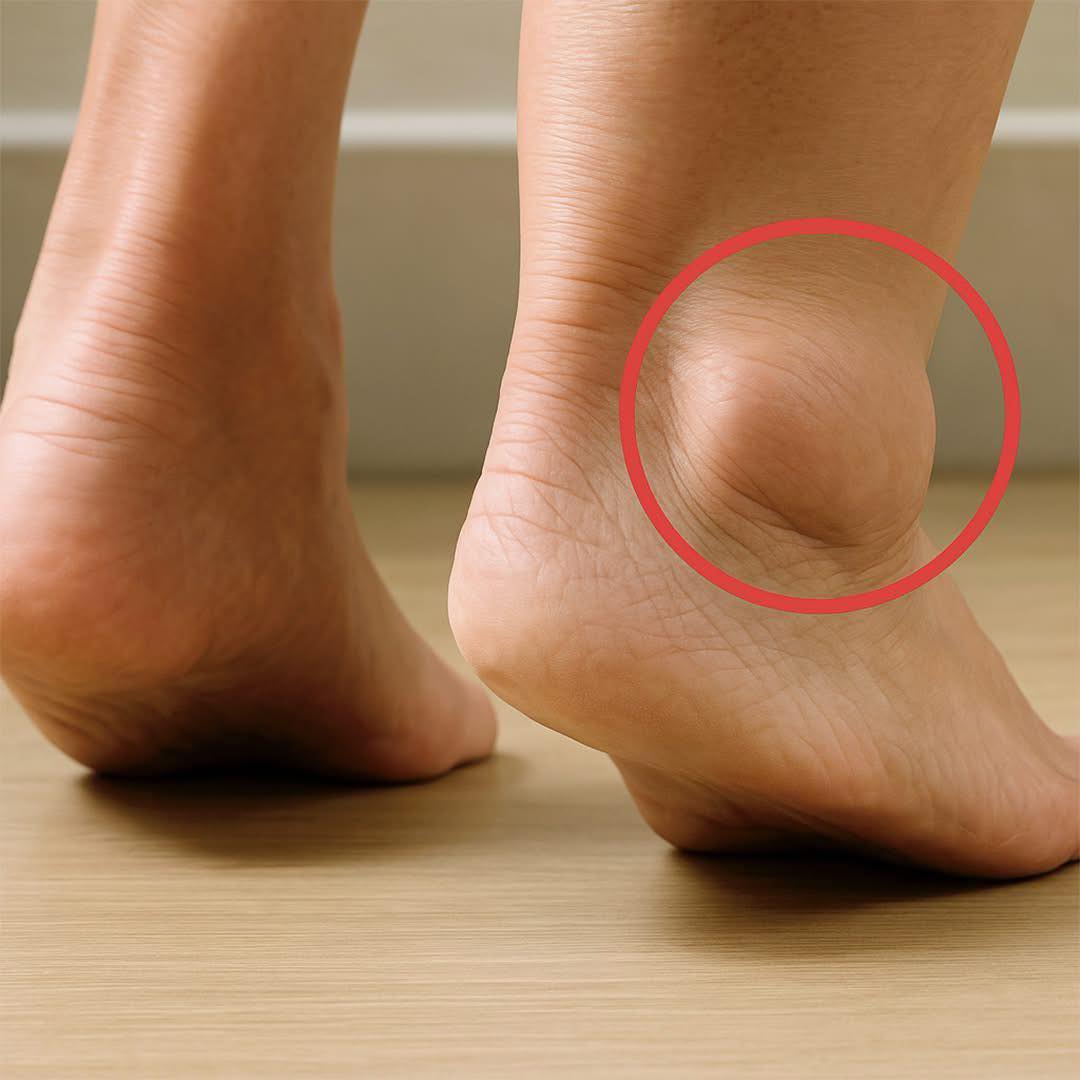
Imagem: Reprodução
Publicado em 30 de maio de 2026
Swollen feet can indicate anything from daily habits to circulatory issues.
Experiencing swollen feet at the end of the day is more common than you might think.
Heat, prolonged standing, a high-salt diet, or lack of exercise can cause fluid to accumulate in tissues, leading to that heavy, uncomfortable sensation.
While often a temporary issue, edema can also be a warning sign of circulatory, renal, or hormonal imbalances.
The good news? Small adjustments — from foot baths to choosing the right footwear — can quickly restore lightness. Let's explore the causes and the best natural solutions.
Main reasons for foot swelling
Heat and vasodilation
High temperatures dilate blood vessels, reducing venous return and promoting fluid accumulation in the extremities.
Read also
Poor circulation or long periods of standing
When veins struggle to pump blood back to the heart, fluid leaks into tissues, causing edema.
High-sodium diet
Excess salt retains water in the body, increasing blood volume and pressure in the vessels.
Pregnancy, medications, and sedentary lifestyle
Hormonal changes, the use of certain medications (contraceptives, corticosteroids), and lack of physical activity also contribute to the problem.
Home strategies that truly make a difference
Cold compress for immediate relief
Apply an ice pack wrapped in a cloth for 15 minutes; the cold constricts blood vessels and reduces inflammation.
Leg elevation
Lie down and position your feet above heart level for 20 minutes. This simple measure stimulates venous return.
Epsom salt foot bath
Warm water + 2 tablespoons of Epsom salt for 15 minutes relaxes muscles, activates circulation, and eliminates toxins.
Alternating hot-cold bath
Submerge your feet for 3 minutes in hot water and 30 seconds in cold water; repeat for 15 minutes to stimulate microcirculation.
Aromatic self-massage
Mix 1 tablespoon of vegetable oil with 3 drops of peppermint or cypress essential oil and massage from your toes to your calves in circular motions.
Routine adjustments that prevent new episodes
- Constant hydration: Water helps drain excess sodium.
- More potassium: Bananas, avocados, and spinach balance fluids.
- Fewer ultra-processed foods: Reduce hidden salt intake.
- Daily light exercise: Walking or calf raises promotes venous return.
- Comfortable shoes: Wide toe boxes and flexible soles prevent compression.
FAQ
Do swollen feet always indicate a serious problem?
Generally no; heat and prolonged standing are frequent causes. Persistence or intense pain requires medical evaluation.
Can regular coarse salt replace Epsom salt in a foot bath?
It helps, but Epsom salt contains magnesium, which enhances muscle relaxation.
Do compression stockings work?
Yes. They apply graduated pressure to the legs, aiding venous return and preventing edema.
Does drinking more water worsen swelling?
Quite the opposite: good hydration dilutes sodium and stimulates the kidneys to eliminate retained fluid.
Foot swelling is often a reflection of heat, posture, or diet, but it can signal more serious imbalances if accompanied by pain, redness, or persistence.
Observing your body, adjusting habits, and using simple methods — such as leg elevation, foot baths, and cold compresses — quickly restore comfort, keeping circulatory health in check.
Read also
Comments (0)
No comments yet. Be the first to comment!