Strange Objects in Grandma's Drawer Unveil a Forgotten Secret
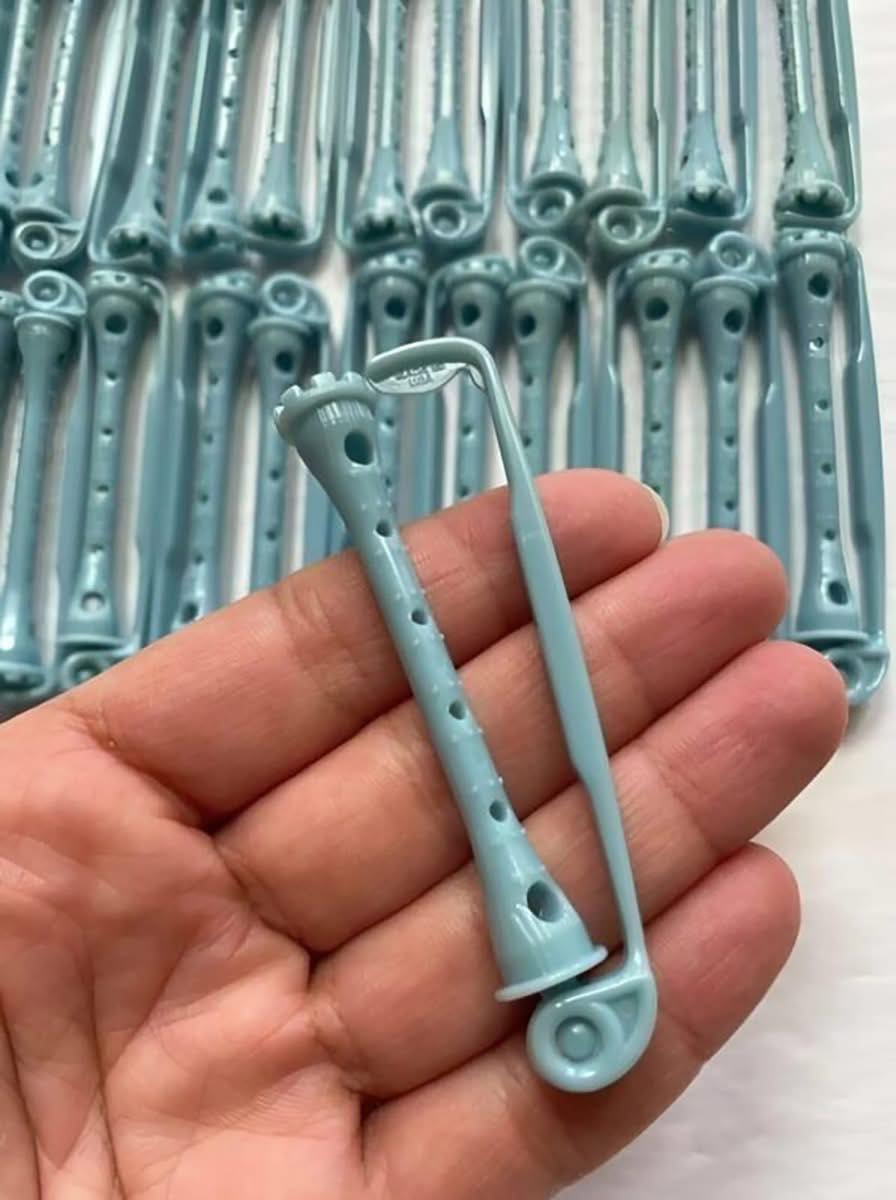
Imagem: Reprodução
Publicado em 13 de abril de 2026
An Unexpected Find in an Old Drawer Reveals Tools That Shaped Generations and Beauty Rituals.
While tidying her grandmother's house, a young woman's attention was caught by a particular scene. Amidst old fabrics, faded photographs, and tools from another era, several strange objects were scattered. They were rigid plastic pieces, unusually shaped, seemingly belonging to something forgotten by time.
Initially, they seemed like mere remnants of an old appliance or useless accessories. No one could say what they were for. It was only when she showed the items to her grandmother that the mystery took on new meaning, and a beautiful story came to light.
The answer came with a nostalgic smile. Those strange objects were vintage hair rollers, also known as “curlers” or “bobs,” used by women decades ago as part of a true beauty ritual.
Hair Rollers: The Accessories That Shaped More Than Just Hair
Before modern hairdryers, curling irons, or electric stylers, hair rollers were women's primary allies for adding shape, volume, or curls to their hair.
Read also

Simple, affordable, and effective, they allowed for the creation of elaborate hairstyles at home, without relying on salons or expensive equipment.
Placed on damp hair, the rollers required patience. Many women slept with them to ensure the desired result the next day. And despite the discomfort, the effort was rewarded with structured, defined, and characterful hair.
It was a time when beauty wasn't instant. Each step demanded attention, and hair care was a way to express vanity and self-esteem.

The Evolution of Hair Rollers Through the Decades
The evolution of these strange objects mirrored the history of beauty habits itself. Since their creation in the early 20th century, hair rollers have gone through different phases, shapes, and materials. Here's how this change unfolded over time:
- 1920s: The first models emerged, made of metal and secured with pins.
- 1950s: Lighter and more practical versions appeared, with different sizes and textures.
- 1970s-80s: They became essential, especially with the popularization of perms.
- 1990s: They lost ground to electric appliances and rapid styling technologies.
Despite the decline in domestic use, hair rollers are still present in some salons, especially when the aim is to revive retro styles or provide a more natural finish.
The Strange Objects That Carry Emotional Value
Far beyond their aesthetic function, hair rollers represent an important chapter in the history of female personal care. They were tools that allowed for autonomy: with patience and technique, any woman could transform her look at home, without relying on professionals.
For many grandmothers, those moments in front of the mirror, meticulously rolling their hair, were almost therapeutic. They represented a time set aside for themselves, in an era when self-care was a quiet yet powerful practice.
Therefore, finding strange objects like these in an old drawer is more than a curious discovery. It's a reunion with a time when self-care demanded time, dedication, and creativity.

When the Past Inspires the Present
Even amidst current technology and the conveniences of the beauty market, some are once again turning to solutions from the past. The use of hair rollers might seem outdated to some, but the return to roots, and the charm of carefully styled curls, has been gaining traction, especially among professionals who value less aggressive techniques for hair.
Furthermore, the fascination with strange and vintage objects reinforces the idea that style and memory go hand in hand. Each accessory carries stories, experiences, and ways of life that, although different from current ones, still resonate in the search for identity and beauty.
The next time a grandmother's drawer is opened, perhaps what lies within will be more than simple relics. It could be an opportunity to rediscover a time when aesthetics were built with care, literally strand by strand.
Read also
Comments (0)
No comments yet. Be the first to comment!