Skin Spots: What's Normal and When to Be Concerned
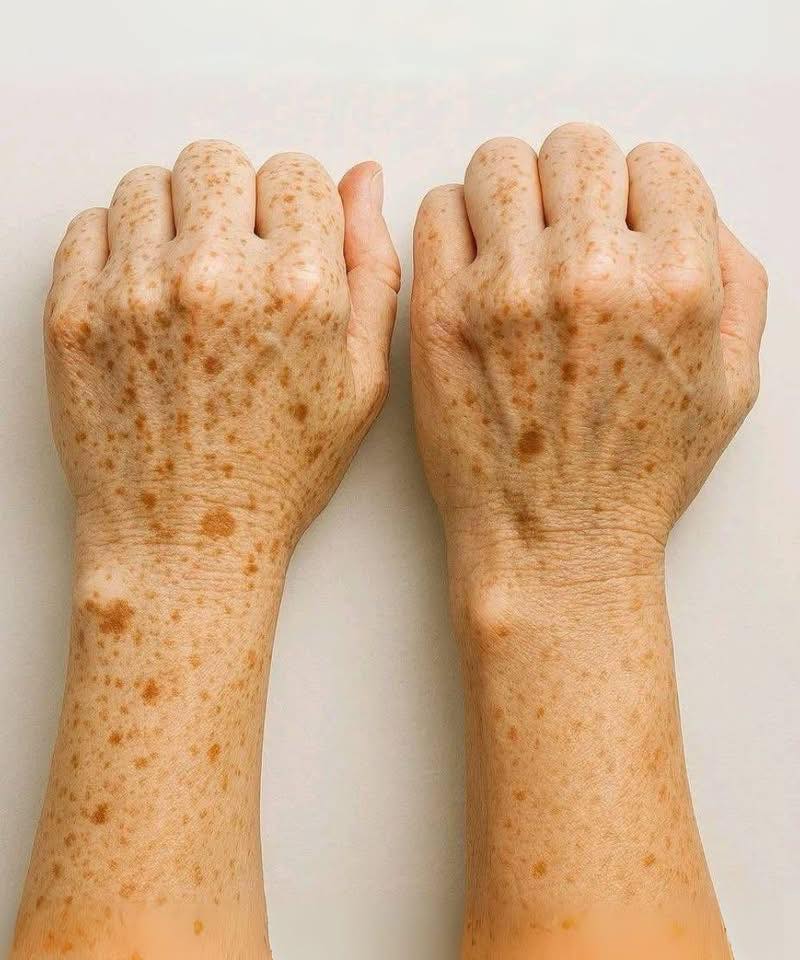
Imagem: Reprodução
Publicado em 15 de maio de 2026
These spots can be harmless, but some require medical attention. Learn how to identify the signs.
The skin holds stories that time insists on writing. Spots, marks, and blemishes appear over the years, especially in areas more exposed to the sun, such as the face, hands, and shoulders.
While many of these spots are common with aging, it's important to know when they transition from a mere aesthetic concern to a potential warning sign.
As we age, it's normal to notice minor changes in skin coloration. These are called senile lentigines, popularly known as age spots. They typically appear in people over 50 but are also not uncommon in those who spent years overexposing themselves to the sun without protection.
Although most cases pose no risk, not all spots should be ignored. Observing your skin's behavior and understanding when to seek a dermatologist can make all the difference.
Below, we'll show you how to differentiate normal changes from potential threats to skin health and what to do in each situation.
Read also

What Are These Spots That Appear Over Time?
Over time, the skin suffers the cumulative impact of sun exposure. Ultraviolet radiation stimulates the production of melanin, the pigment responsible for skin color. When this production becomes irregular, dark, flat spots, usually oval, appear.
These marks appear more frequently after age 50, but this isn't a strict rule. Younger individuals who frequently expose themselves to the sun or use artificial tanning beds can also develop them prematurely.
Common characteristics of benign spots:
- They are smooth and flat.
- They have a uniform color, ranging from beige to dark brown.
- They are oval or rounded in shape.
- They are located in exposed areas, such as the face, hands, arms, and décolletage.
- They remain stable over time.
If the spot exhibits this pattern, it is likely harmless. Many people choose not to treat them, while others seek aesthetic solutions.
When Do Skin Spots Deserve Attention?
Despite appearing harmless, some spots can pose risks. Special attention should be paid to sudden changes, especially when they involve alterations in color, shape, or texture.
Signs that it's time to see a dermatologist:
- Rapid growth: spots that increase in size within weeks.
- Irregular borders: unlike benign spots, these do not have well-defined contours.
- Variety of colors: the presence of black, reddish, or bluish tones is a warning sign.
- Unusual texture: rough spots that bleed or flake should be evaluated.
- Symptoms: itching, pain, or any associated discomfort are not normal.

A useful tool is the ABCDE rule, recommended by dermatologists for evaluating suspicious skin lesions:
- Asymmetry
- Border irregularity
- Color variation
- Diameter over 6 mm
- Evolving over time
If a spot presents one or more of these characteristics, medical evaluation is essential.
How to Care for Your Skin and Prevent New Spots
Prevention is simpler, and more effective, than treatment. A skincare routine doesn't need to be complicated, but it must be consistent.
Here are some measures that help prevent new spots:
- Use sunscreen every day, with an SPF of at least 30.
- Reapply the product every two hours, especially if sweating or with continuous exposure.
- Avoid the sun between 10 AM and 4 PM, the period of highest radiation.
- Wear hats and UV-protective clothing when leaving the house.
- Avoid artificial tanning: it damages the skin and accelerates aging.
- Moisturize your skin daily, especially after showering.
These simple habits not only help maintain healthy skin but also reduce the risk of skin cancer and other long-term complications.
What About Treatments for Existing Spots?
Even if they are benign, some people are bothered by the appearance of spots. In such cases, it's worth talking to a dermatologist to explore the available options.
The most common treatments include:
- Lightening creams, with substances like hydroquinone or kojic acid.
- Retinoids, which accelerate skin cell renewal.
- Chemical peels, which promote the shedding of the superficial layer.
- Laser or intense pulsed light, to reach deeper skin layers and even out skin tone.
- Cryotherapy, which freezes pigmented cells to eliminate them.
Each treatment has its indications and contraindications, which is why professional evaluation is essential.
Read also
Comments (0)
No comments yet. Be the first to comment!