She Was One of the Most Beautiful Women of the 50s, But Hollywood Blacklisted Her for 12 Years
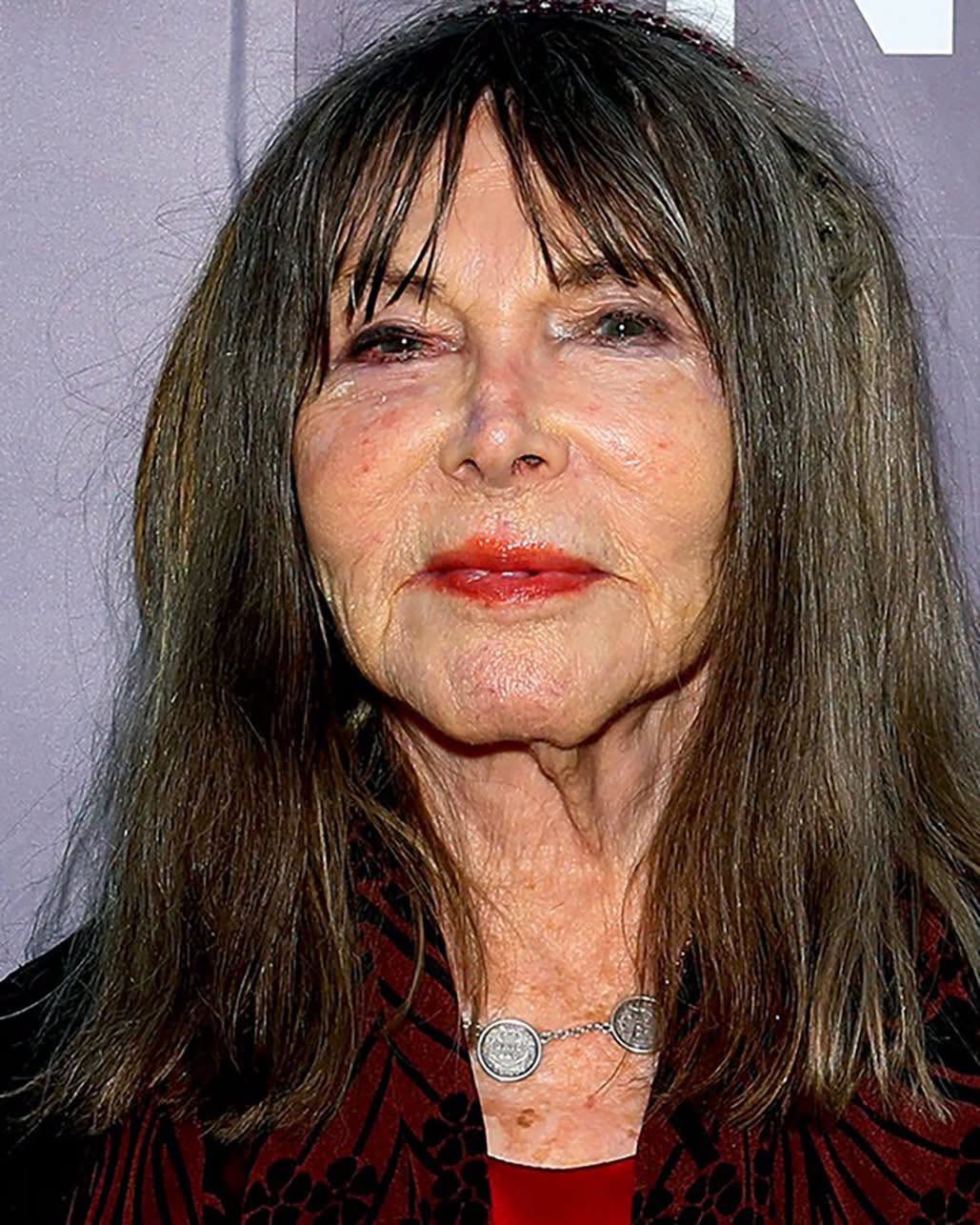
Imagem: Reprodução
Publicado em 20 de abril de 2026
After resorting to plastic surgery to try and return to showbiz, she is now living a new chapter alongside a younger man.
For decades, Hollywood sold the world an image of absolute glamour.
In the 1950s, everything seemed perfect: luxurious clothes, dazzling parties, and rapidly emerging careers.
But behind that sparkle lay a rigid, controlling, and often cruel industry.
Lee Grant's trajectory clearly reveals this little-discussed side of classic cinema.
A Talent Poised for Intense Stardom
In the early 1950s, Lee Grant had everything Hollywood valued.
Read also

She possessed classic beauty, striking eyes, and a powerful screen presence.
Studios believed in her potential, photographers vied for her image, and the public quickly fell in love.
Her big break came in 1951, in the film Detective Story, alongside Kirk Douglas.
Her performance was so impactful that it earned critical acclaim, an Oscar nomination, and an award at the Cannes Film Festival.
Everything indicated that a brilliant career was just beginning.
Sudden Interruption of Success
Despite the recognition, Lee Grant's rise was abruptly halted.
Suddenly, she stopped receiving significant roles and was sidelined by major studios.
There were no clear explanations, which caused surprise and confusion among both the public and the artistic community.
During that period, actors' personal lives and opinions were rigidly monitored.
Any behavior deemed inappropriate could result in severe penalties.
Soon, rumors began to circulate, and her image came to be seen as “problematic” within the Hollywood system.
The Consequences of an Unforgiving Era
Years later, a decisive episode came to light.
During the funeral of actor J. Edward Bromberg, Lee Grant delivered a sensitive speech, suggesting that the political pressure of the time had contributed to his death.
This gesture, though human and courageous, came at a high price.
In that historical context, many artists were excluded for ideological reasons.
Lee Grant ended up on that list. Her career was virtually paralyzed for over a decade.
Opportunities vanished, and her name stopped circulating in major projects.
Persistence in the Face of Oblivion
Even facing silence and a lack of opportunities, Lee Grant did not give up.
Gradually, she accepted roles whenever chances arose.
She acted in significant films and series, demonstrating that her talent remained intact.
As time passed, Hollywood began to acknowledge its mistakes.
By then more mature, she regained prominence and eventually won an Oscar for a supporting role.
It was a belated but fair recognition that reaffirmed her artistic prowess.
A Legacy That Transcends Time
Today, as with everyone, her appearance reflects the passage of time.
Yet, her elegance, strength, and story continue to inspire admiration.
Her journey leaves a clear message: talent does not guarantee protection against injustice.
Lee Grant represents many brilliant artists who were harmed by a system that valued obedience over freedom of expression.
At the same time, she symbolizes resilience and the ability to start anew, even after years of silence.
Her story invites us to view Hollywood's past with greater awareness, admiring its films without ignoring the sacrifices made by those who helped build them.
And it proves that a true star may be dimmed for a time, but never truly stops shining.
Read also
Comments (0)
No comments yet. Be the first to comment!