Oats: The Silent Mistake That Could Be Harming Your Health
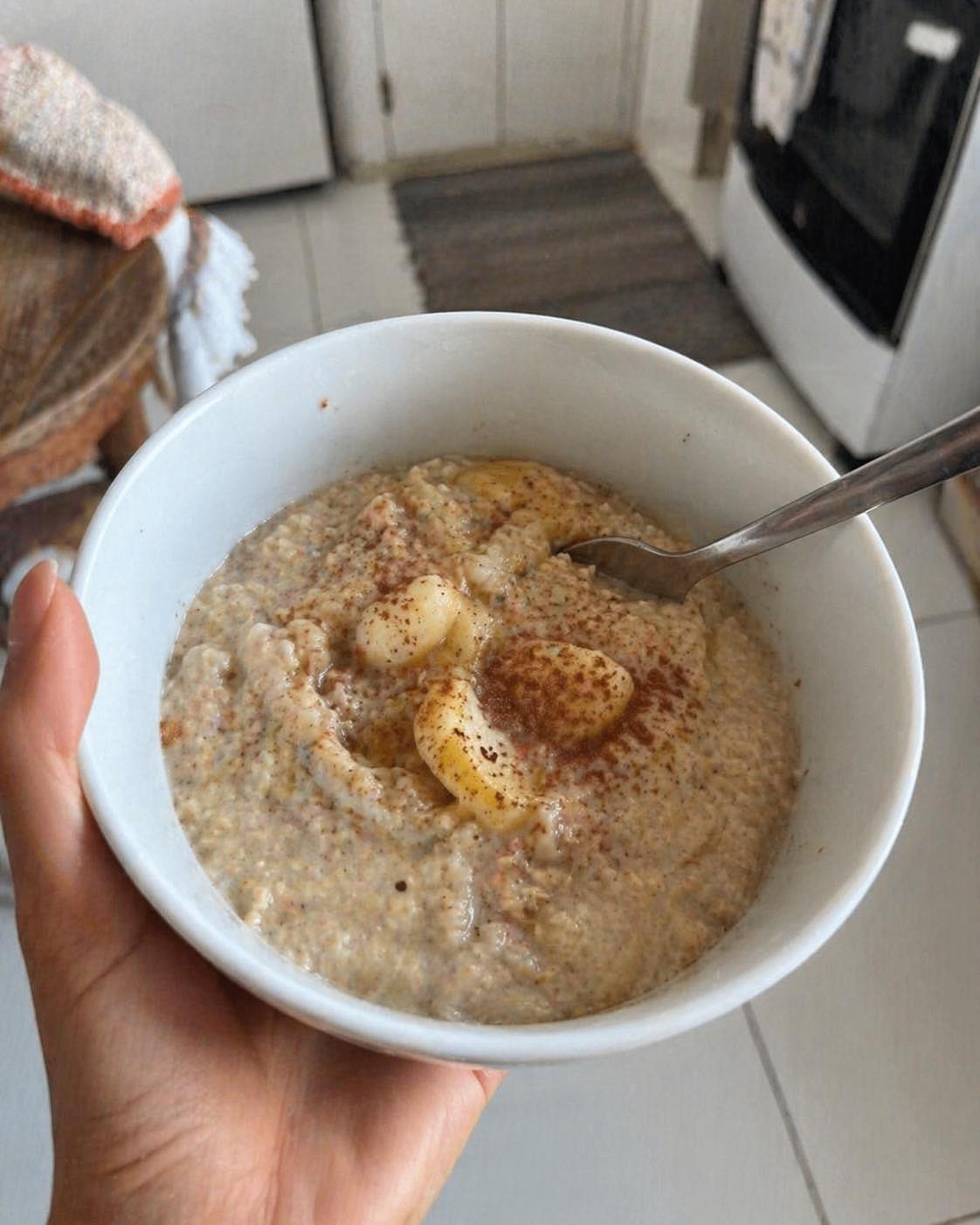
Imagem: Reprodução
Publicado em 02 de junho de 2026
A Food Considered Healthy Might Be Causing Unexpected Effects on Your Body.
You’ve likely incorporated oats into your routine, believing you were making a healthy choice.
And in many ways, this makes sense, as oats are known to support gut health, help control cholesterol, and promote a feeling of fullness.
However, there's a little-noticed detail that can completely change how this food impacts your body — especially when it comes to industrialized versions.
The Impact of Processing on Your Body
The oats that reach your plate don't always retain their natural characteristics.
Read also

During processing, oats can be ground, heated, and refined. These alterations change how your body digests the food.
The more processed the oats, the faster they are absorbed. This means the sugars they contain enter your bloodstream more quickly, leading to glucose spikes.
Glucose Spikes and Constant Hunger
When glucose levels rise rapidly, the body reacts by releasing a large amount of insulin.
Subsequently, blood sugar levels drop. This rapid rise and fall creates a cycle that quickly stimulates hunger.
The result is often a frequent craving for food, especially sweets, along with the habit of "snacking" throughout the day.
Over time, this can contribute to weight gain, fatigue, and silent inflammatory processes.
Avenin and Intestinal Sensitivity
A lesser-known fact is that oats contain a protein called avenin, which has structural similarities to gluten.
For many people, this poses no issue. However, in more sensitive individuals, it can trigger similar symptoms such as bloating, gas, abdominal discomfort, and even a feeling of fatigue after consumption.
Cross-Contamination with Gluten
Even though oats are naturally gluten-free, they can become contaminated during the industrial process.
This occurs because oats are often processed on the same equipment as wheat, barley, or rye.
In practice, this means small amounts of gluten may be present, which is enough to cause discomfort for sensitive individuals.
How to Consume Oats Correctly
Oats don't need to be eliminated from your diet, but how you consume them makes all the difference.
Choosing less processed versions, such as rolled or steel-cut oats, is a good start.
It's also wise to avoid instant options and opt for organic products.
For those with sensitivity, choosing certified gluten-free oats is essential.
Another simple habit is to soak oats for a few hours before consuming them.
This can facilitate digestion and improve nutrient absorption.
Observe Your Body's Signals
More important than any rule is to pay attention to how your body reacts.
Quick hunger, bloating, or discomfort after eating oats are signals that deserve attention.
A food that truly benefits you tends to bring a feeling of balance and well-being.
In many cases, the problem isn't with the entire diet, but with small details that go unnoticed in daily life.
Read also
Comments (0)
No comments yet. Be the first to comment!