Don't Make This Mistake Next Time You Consume Flaxseed
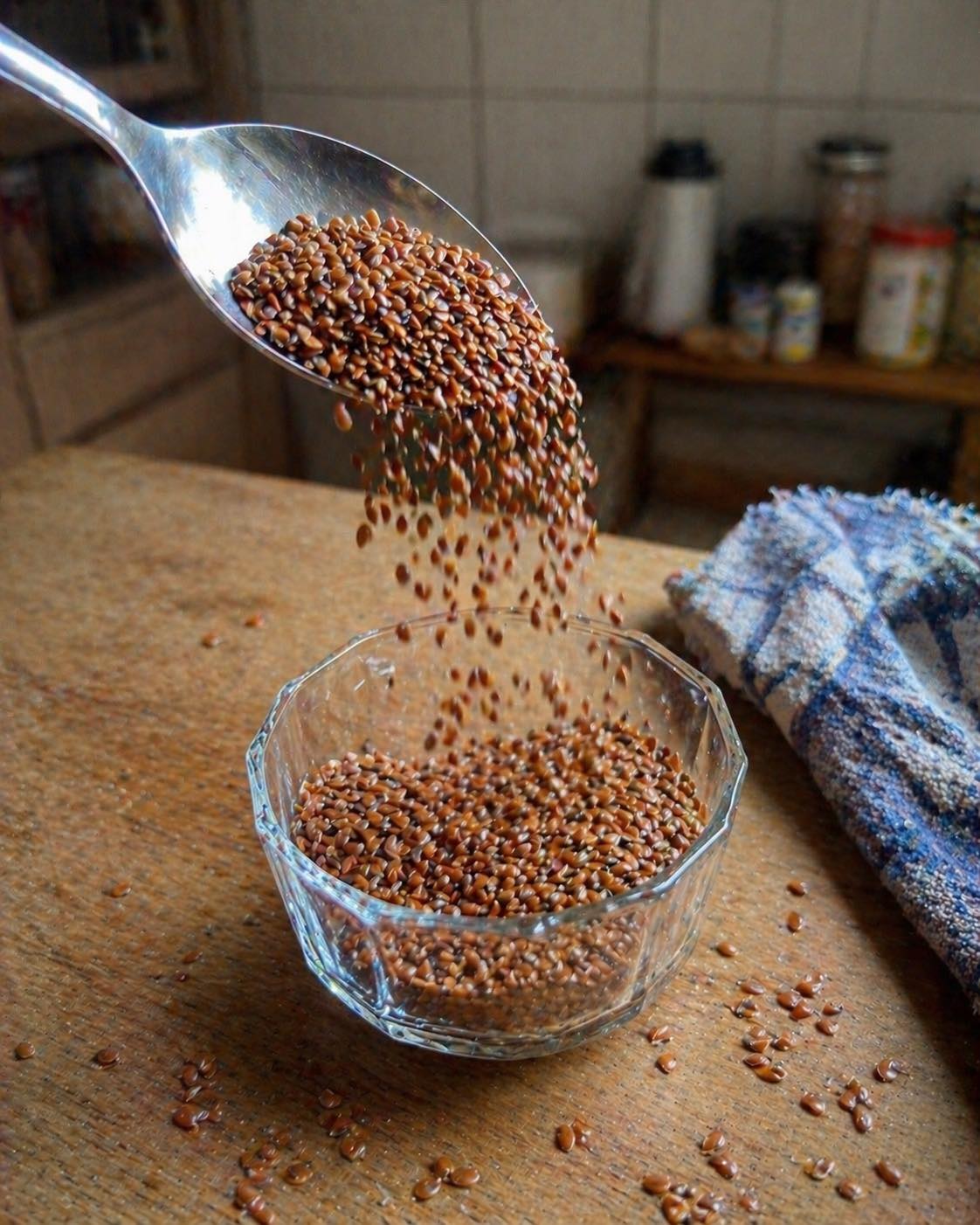
Imagem: Reprodução
Publicado em 27 de abril de 2026
Learn about flaxseed, a superfood, and discover the correct way to consume it to unlock all its benefits.
Flaxseed, as its name suggests, comes from the flax plant (Linum usitatissimum), a vegetable of Asian/Eastern origin widely known for its use in textile manufacturing.
This seed is a source of various nutrients and possesses many medicinal properties, and can be easily found in supermarkets, farmers' markets, and natural product stores.
However, this valuable crop cannot be consumed in just any way, as the human intestine does not process its natural structure very well.
But in this article, we will tell you about its main properties and the correct way to consume flaxseed to reap its many benefits.
Properties and Benefits of Flaxseed
Types of Flaxseed
Commercially, you will find two types of flaxseed.
Read also

Brown flaxseed, which is more common, has a slightly stronger flavor and can be cultivated almost anywhere in the world.
And golden flaxseed, which only grows in regions with milder climates and has slightly fewer fibers than its brown counterpart.
Despite questions surrounding the properties of each type of flaxseed, it is generally accepted that there are no significant differences in this regard.
The Benefits of Flaxseed
Flaxseed is also considered a superfood by experts because it contains proteins, healthy fats, and carbohydrates.
Furthermore, among the many nutrients present in this seed, we can highlight its high concentration of omega-3, omega-6, and fiber.
Here are some of the seed's “powers”:
- Improves digestion due to its fiber content;
- Normalizes cholesterol, as fiber and omega-3 combat bad cholesterol;
- Aids weight loss, as fiber promotes a greater feeling of satiety;
- Reduces the risk of cardiovascular diseases, as the seed's compounds control bad cholesterol and regulate fat absorption in the intestines;
- Helps control diabetes, as the fiber in the food regulates sugar absorption by the body;
- Reduces PMS and menopause symptoms, as it contains compounds that help regulate female hormones;
- Is a natural anti-inflammatory, as the omega-3 in flaxseed combats inflammation and infections;
- Strengthens the immune system, as it contains manganese, selenium, and magnesium in its composition;
- Is a rejuvenating agent for the skin, as it contains nutrients that activate collagen, improving epidermal elasticity;
- Prevents cancer (especially breast, prostate, and colon), because it has a high concentration of lignans, which are substances capable of stabilizing cells and preventing their uncontrolled proliferation;
How to Consume Flaxseed Correctly
A first and indispensable tip is that flaxseed should always be consumed in its ground form.
As mentioned at the beginning of the article, this food is not properly digested when consumed in whole seed form.
Therefore, for the digestive system to fully absorb the nutrients from the seeds, they need to be ground.
The Correct Preparation of Flaxseed
When buying, prioritize whole seeds rather than sachets containing supposed flaxseed powder, or even the notorious capsules containing “flaxseed oil.”
Flaxseed flour should also be avoided.
Regarding the oil, it has been proven that the product is not effective, because its manufacturing process removes almost all of the grain's main nutrients.
To correctly prepare flaxseed for consumption, take the seeds and process them in a grinder, blender, or food processor.
And only consume this powder/flour within 24 hours of production.
Therefore, it is important that when grinding flaxseeds, the powder is consumed within a maximum of 24 hours, so that its nutrients are utilized in the healthiest and most optimized way.
Ideal Quantity for Consumption
It is estimated that the correct amount of flaxseed for adult consumption is a maximum of 54g (3 tablespoons) per day.
For children, the maximum amount is 18g (1 tablespoon) of flaxseed per day; however, children under six years of age are prohibited from consuming the product.
Flaxseed Water
Flaxseed water is a different way to take advantage of this seed's properties.
It is especially recommended for those with high cholesterol and triglyceride levels.
Here's how simple it is to make:
- At night, place one tablespoon of flaxseed in half a glass of water (100mL).
- Let it soak.
- The following morning, drink this water, preferably on an empty stomach.
Do this for 40 days and then get new tests to confirm the reduction in your levels.
Contraindications
Flaxseed consumption is contraindicated for people who drink little water.
Due to its high fiber content, flaxseed powder needs water to be properly diluted and absorbed by the intestines.
When insufficient water is consumed, fibers can accumulate in the digestive system, causing a bloated feeling and excessive gas.
On the other hand, flaxseed consumption is not recommended for people with chronic digestive problems, as it may worsen symptoms.
In this case, it's advisable to consult a nutritionist or gastroenterologist.
Read also
Comments (0)
No comments yet. Be the first to comment!