Doctors Reveal What Eating Rice Every Day Can Cause…
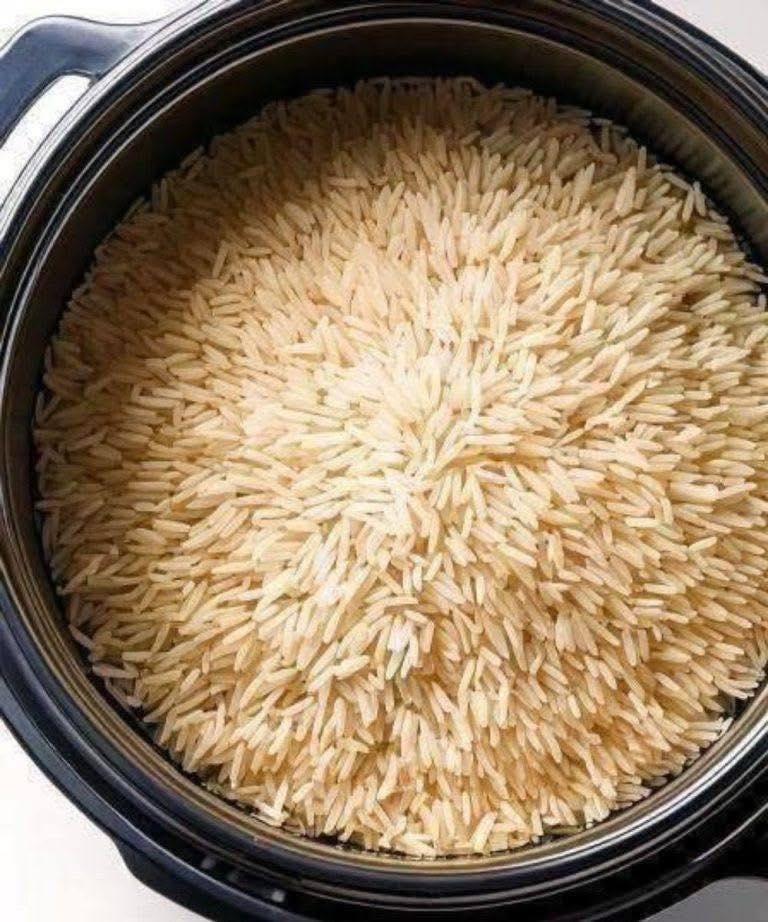
Imagem: Reprodução
Publicado em 16 de abril de 2026
Excessive Rice Consumption Can Harm Your Health. Discover the Risks and How to Avoid Its Silent Effects.
In many homes, especially in Brazil, rice is a staple, often taking center stage on the plate. It's practical, versatile, and provides that comforting feeling of a “complete meal.” Seems harmless, right?
But is it truly?
What few realize is that excessive rice consumption, especially white rice, can have significant health consequences. And what's most concerning: the effects don't appear overnight.
It's easy to ignore the signs until your body starts to pay the price. The good news is that you can continue to enjoy rice, but with some crucial adjustments.
Is Rice the Villain? No, But Overdoing It Is the Problem
Rice, in itself, is not a harmful food. It's an excellent source of quick energy, especially on busy days.
Read also

The problem arises when rice becomes the absolute protagonist of your diet, leaving no room for other nutrients.
It has a high glycemic index, meaning it releases sugar into the bloodstream very quickly. When this happens frequently, the body enters a dangerous cycle of glucose spikes and drops.
Over time, this sugar rollercoaster can pave the way for the dreaded type 2 diabetes.
And guess what? This is even more concerning for those with a family history or who are overweight.
Eating Rice and Feeling Hungry Soon After? There's an Explanation
You know that plate full of rice at lunch that, two hours later, feels like it never existed? This happens because white rice is absorbed very quickly by the body. It provides energy, but it's quickly gone.
The result? More hunger. More food. And, often, more rice.
This cycle fuels weight gain, especially in the abdominal area. Furthermore, when the body receives more calories than it needs, metabolism slows down. And then, losing weight becomes a much more difficult mission.

What Does Rice Have to Do with Your Heart?
You might not realize it, but there's a direct link between excessive rice consumption and heart problems. Diets based almost exclusively on white rice tend to be low in fiber and high in simple carbohydrates.
And this takes a toll (literally) on cardiovascular health.
High levels of glucose and triglycerides in the blood, caused by this dietary imbalance, increase the risk of heart disease. Bad cholesterol rises. Fat accumulates. And your heart works harder than it should.
Balancing rice with vegetables, legumes, and whole grains isn't just a casual suggestion; it's a real necessity.
Arsenic in Rice: The Danger Almost No One Talks About
It might sound alarming, but yes, rice can contain arsenic. This happens because rice absorbs more of this element from the soil and water than most other plants.
And even if the levels found aren't high enough to cause immediate intoxication, continuous and prolonged exposure can increase the risk of kidney and heart problems, and even cancer.
Want to reduce this risk? Here's how:
- Wash the rice thoroughly before cooking.
- Use plenty of water when cooking, as if it were an “excess water” method.
- Vary with brown or red rice — but still in moderation.
- Avoid eating rice every day, especially at every meal.
How to Keep Eating Rice Without Harming Your Health
The solution isn't to cut rice out of your life. Far from it. The secret lies in balance and the right combinations.
Here are some practical tips:
- Reduce your portion: one cup of cooked rice is usually enough per meal.
- Mix with vegetables: this increases satiety and reduces the glycemic index of the dish.
- Add lean proteins: white meats, eggs, or legumes are excellent options.
- Switch the type of rice: try brown, wild, or even quinoa as a substitute occasionally.
- Avoid greasy preparations: fried rice or rice with butter adds unnecessary calories.
These are simple adjustments, but they make a difference over time.
Keeping rice on your menu is possible, and even recommended, when it's part of a balanced diet. The problem was never the rice itself, but rather the automatic habit of piling it onto your plate without thought.
Your body deserves attention. And your choices at the table say a lot about your health in the years to come.
Small changes today can prevent big problems tomorrow.
Read also
Comments (0)
No comments yet. Be the first to comment!