Doctors Reveal What Chickpea Consumption Causes...
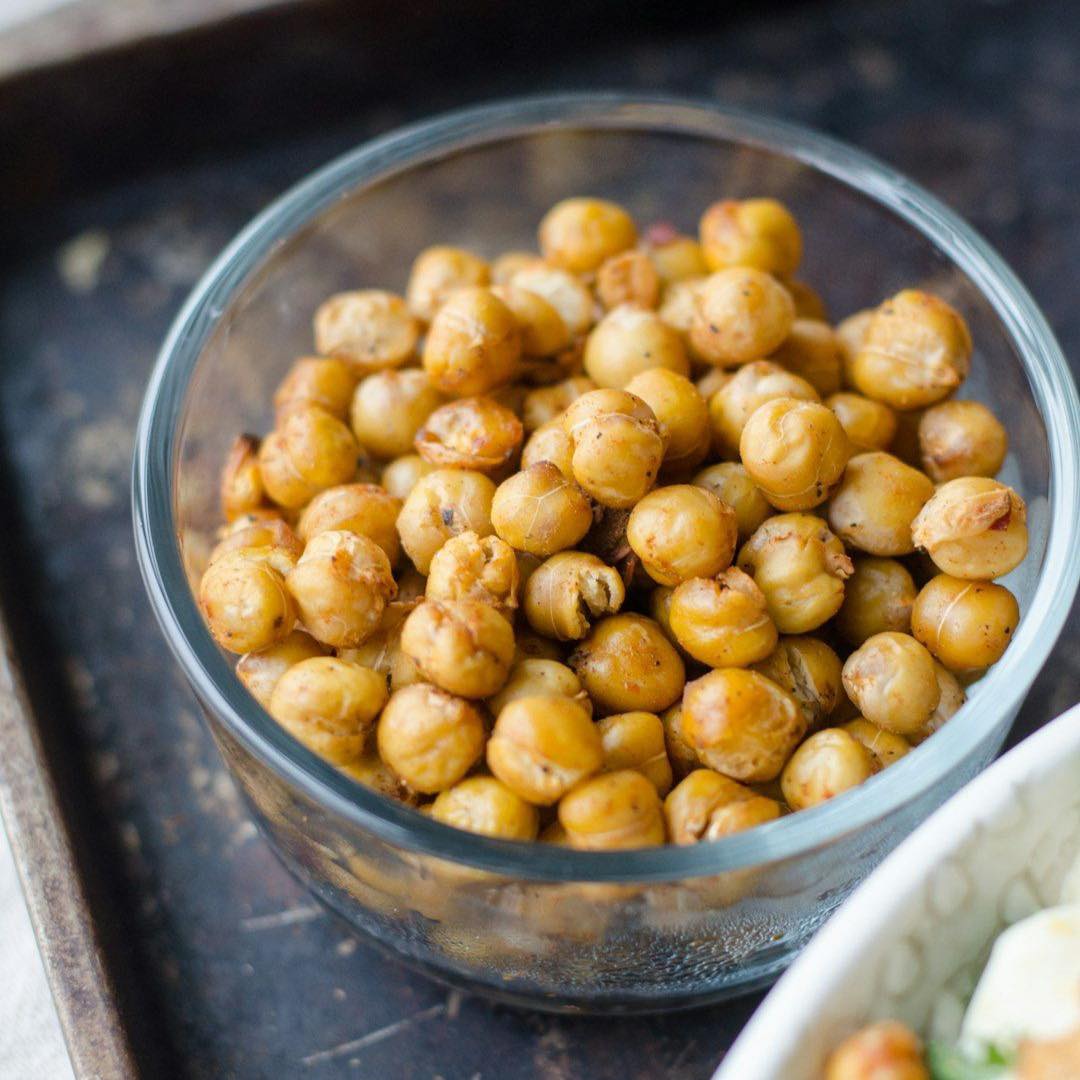
Imagem: Reprodução
Publicado em 07 de maio de 2026
Versatile and accessible, it can be included in various everyday recipes.
Chickpeas are a legume widely present in different culinary cultures and appreciated for their versatility.
They can be used in various preparations, such as salads, soups, purees, stews, and even cold dishes, offering a practical way to vary daily meals.
As with any other food, the most important thing is not to view it as a miraculous item, but to understand its real benefits and incorporate it into your daily diet in a balanced way.
Its consumption can be part of a healthy diet, provided individual needs, quantities, and how the body reacts are respected.
Nutritional Value
Chickpeas are a source of complex carbohydrates, fiber, plant-based proteins, and important minerals such as iron, magnesium, and potassium.
Read also

The presence of fiber and protein helps increase the feeling of fullness, which can aid in meal planning and reduce frequent snacking between meals.
Furthermore, they are a good option for diversifying protein sources, especially in diets with lower meat consumption or those focused on plant-based foods.
While not replacing all necessary nutrients on its own, it can complement meals alongside vegetables, whole grains, seeds, and healthy fats.
Everyday Benefits
Including legumes like chickpeas tends to increase fiber intake, which is essential for proper digestive system function and bowel regularity.
Another positive aspect is that, being digested more slowly than refined foods, it helps maintain more stable energy levels throughout the day.
Its practicality also deserves mention. A simple combination with vegetables and olive oil can result in a complete meal, while preparations like hummus or stews offer nutritious and economical options.
Even so, the overall balance of the meal remains fundamental.
Potential Discomforts and Adaptation
For some people, chickpea consumption can cause gas, bloating, or a feeling of heaviness, especially when they are not accustomed to eating legumes.
This occurs due to the fiber content and compounds that ferment in the intestine. Therefore, gradual introduction is usually the best strategy.
Preparation Tips
Soak chickpeas for several hours before cooking.
Discard the soaking water and use fresh water for cooking.
Start with small amounts if you are not accustomed to them.
Combine with vegetables and mild seasonings.
Choose low-sodium versions when opting for processed products.
Another advantage is the possibility of advance preparation.
Cooking a larger quantity and storing it in the refrigerator or freezer simplifies your routine and helps maintain more balanced food choices, even on busy days.
Due to their neutral flavor, chickpeas easily adapt to both simple recipes and more elaborate dishes.
People with specific health conditions, such as digestive problems, kidney diseases, or dietary restrictions, should seek professional guidance before making significant dietary changes.
In general, when consumed in moderation and as part of a varied diet, chickpeas can be a nutritious and functional option.
Read also
Comments (0)
No comments yet. Be the first to comment!