Doctors Reveal the Surprising Effects of Eating Pumpkin
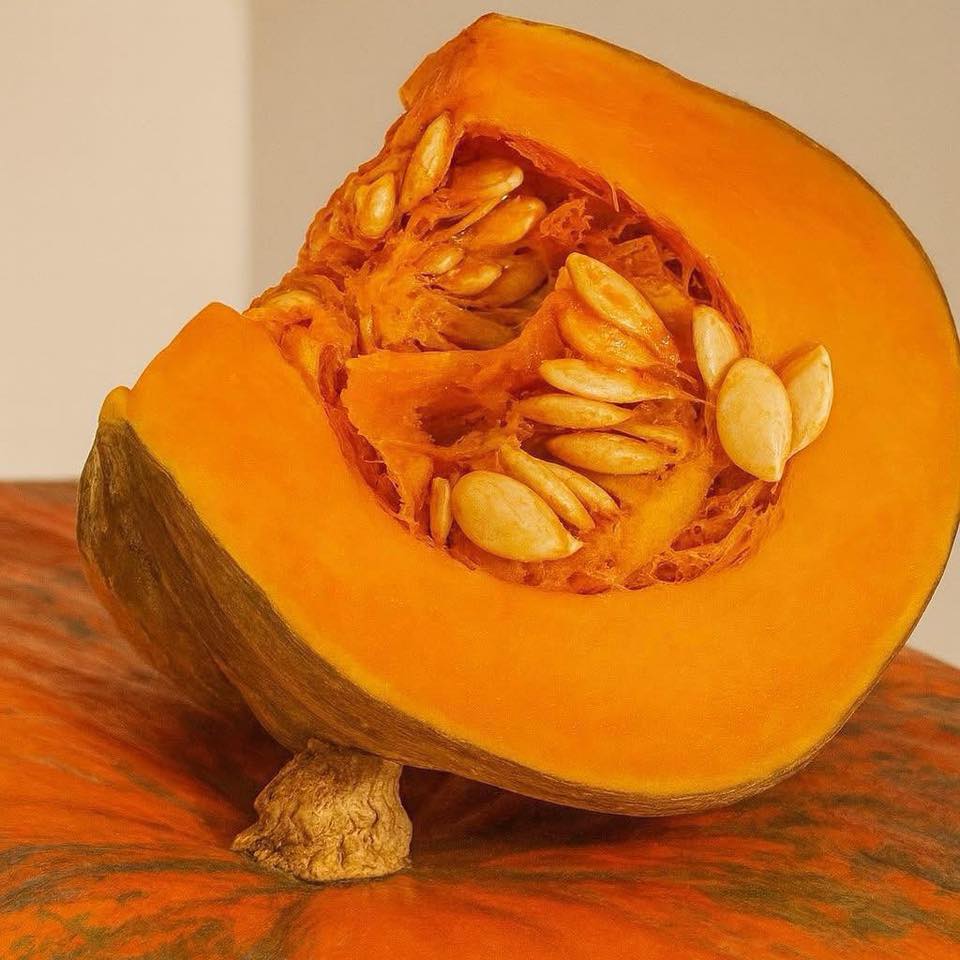
Imagem: Reprodução
Publicado em 25 de abril de 2026
Discover Why Pumpkin Is One of Nature's Most Complete and Nutritious Foods.
In an era where ultra-processed foods and quick meals dominate daily life, returning to the consumption of natural products is a wise and essential choice.
Among the vegetables offering the most benefits, pumpkin stands out for its rich nutrients, vibrant colors, and delicate flavor.
Versatile in the kitchen and extremely nutritious, it can be used in soups, purees, roasts, or stir-fries.
Beyond its taste, pumpkin is a true boost for your health — it strengthens the immune system, protects the heart, and improves bowel function.
Why You Should Include Pumpkin in Your Diet
1. Boosts Body Defenses
Rich in Vitamin A and beta-carotene, pumpkin helps keep the immune system strong and mucous membranes protected.
Read also

Frequent consumption also benefits vision and helps prevent respiratory infections.
2. Improves Bowel Function
With a high concentration of fiber, pumpkin stimulates healthy bowel function and prevents the discomfort of constipation.
It's light, easy to digest, and ideal for those with more sensitive stomachs.
3. Protects the Heart and Blood Vessels
Thanks to minerals like potassium and magnesium, along with natural antioxidants, pumpkin helps control blood pressure and reduce bad cholesterol (LDL), contributing to cardiovascular health.
4. Aids in Weight Management
With a low-calorie content and high water volume, pumpkin provides satiety without adding fats.
It's perfect for those looking to lose weight or maintain a balanced weight.
5. Cares for Skin and Prevents Premature Aging
Its antioxidants, such as Vitamin C and beta-carotene, stimulate collagen production and protect the skin against damage from free radicals, leaving it firmer, more hydrated, and radiant.
6. Helps Balance Sugar Levels
Despite its sweet taste, pumpkin has a low glycemic index. Its fibers slow down glucose absorption, making it an excellent ally for those with diabetes or wishing to prevent blood sugar spikes.
The Seeds: Small but Mighty
Pumpkin seeds also deserve special mention. They are rich in zinc, iron, and healthy fats — nutrients that strengthen hair, nails, and prostate health. When roasted, they become a crunchy, tasty, and nutritious snack.
How to Make the Most of Pumpkin
- Choose firm pumpkins with hard skin and intense color.
- Do not overcook, to preserve its vitamins and texture.
- Combine with natural spices — turmeric, ginger, and cinnamon intensify the flavor and anti-inflammatory properties.
- Use in soups, creams, stir-fries, or salads, enjoying it year-round.
- Experiment with healthy desserts, replacing refined sugar with natural ingredients.
Including pumpkin in your daily diet is much more than a simple menu change — it's a gesture of self-care and a reconnection with nature.
Its vibrant color and comforting flavor remind us that well-being begins with simple choices: eating well, resting, and valuing what's natural.
Pumpkin, so common yet so powerful, shows that true health is built gradually — one bite at a time.
Read also
Comments (0)
No comments yet. Be the first to comment!