Doctor Reveals Potential Health Risks of Kale Consumption
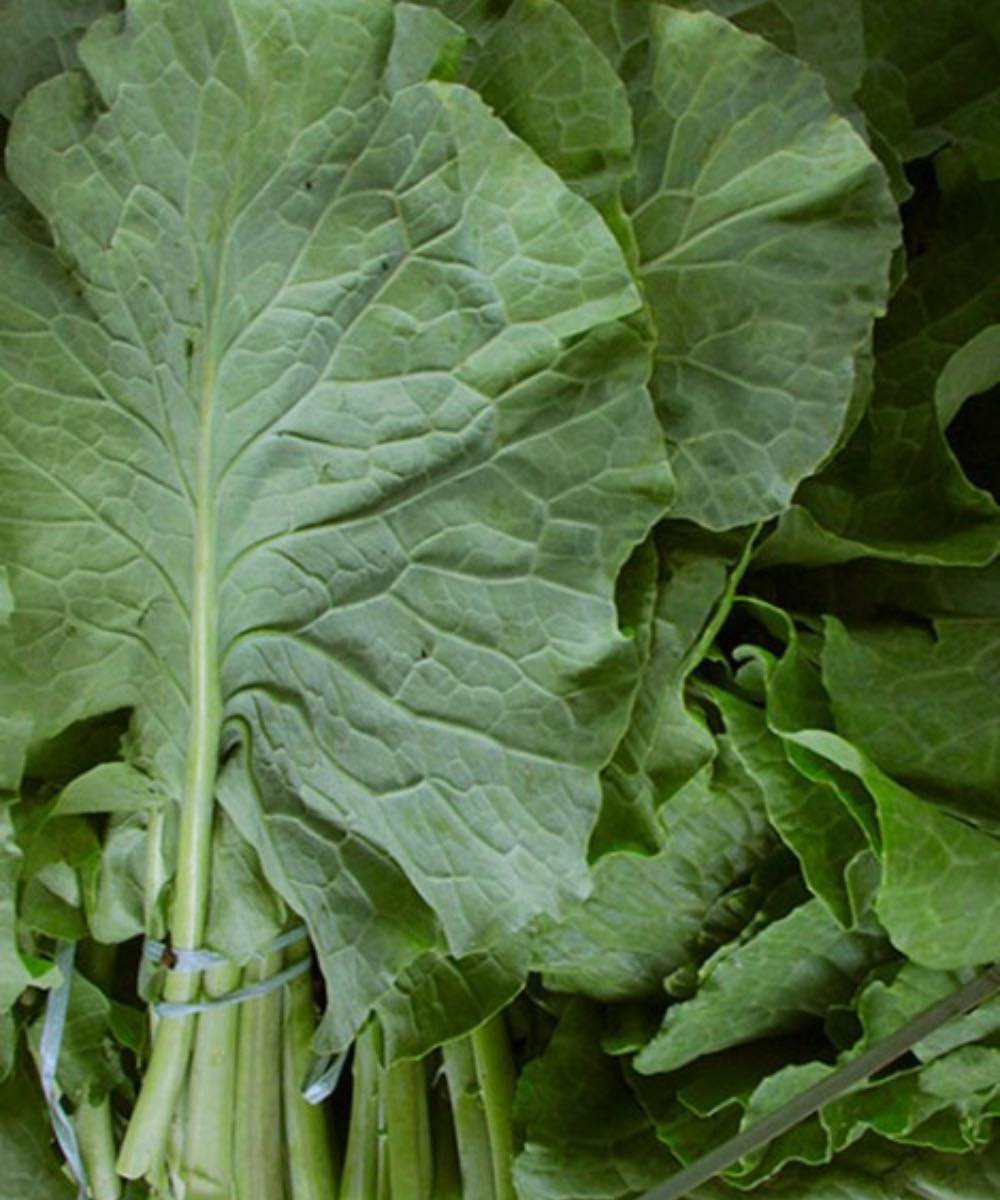
Imagem: Reprodução
Publicado em 17 de maio de 2026
According to experts, excessive kale consumption can pose health risks.
Kale is known as one of the healthiest vegetables in the diet, rich in vitamins, minerals, and antioxidants that strengthen the immune system, benefit the heart, and improve digestion.
However, according to experts, overconsumption of this “superfood” can lead to some undesirable effects.
Risk of Kidney Stone Formation
Kale has a high concentration of oxalates, substances that bind to calcium and can contribute to the formation of kidney stones.
Those who have previously experienced this type of problem should avoid consuming it in large quantities.
- Tip: Combine kale with calcium-rich foods, as this helps reduce oxalate absorption.
Potential Thyroid Impacts
The vegetable also contains goitrogens, compounds that interfere with the production of thyroid hormones.
Read also

People with hypothyroidism or other thyroid gland disorders need to pay special attention.
- Tip: When cooking kale — whether steamed or sautéed — some of these substances are neutralized, reducing the risk.
Potential Digestive Discomfort
Being rich in fiber, kale can cause gas, bloating, and even diarrhea when consumed in excess, especially for those unaccustomed to a high-fiber diet.
- Tip: Introduce small portions into your diet and gradually increase consumption to allow your body to adapt.
Benefits of Kale (in Balanced Quantities)
Even with the necessary precautions, kale remains an extremely nutritious food packed with advantages for the body.
- Contains vitamins A, C, and K;
- Is a source of folate and antioxidants;
- Helps combat inflammation and strengthens the immune system;
- Also rich in B-complex vitamins, it helps maintain proper metabolic function and promotes nervous system health.
Tip: Ideally, include kale in a varied and balanced diet, without excesses or unnecessary restrictions.
Safe Ways to Consume Kale
- Cook or steam to reduce substances that affect kidneys and thyroid
- Mix with other vegetables to increase nutrient diversity
- Avoid daily consumption in large quantities
Conclusion
Kale is indeed an important ally for good health — provided it is consumed in moderation.
Those with kidney problems, thyroid disorders, or sensitive digestion should monitor their body's signals and adjust portions as needed.
When consumed in moderation, it offers numerous benefits without causing adverse effects.
Read also
Comments (0)
No comments yet. Be the first to comment!