Maintaining the quality and freshness of food until consumption is a priority in any home. Traditionally, many resort to materials like plastics or aluminum foil for this purpose, but such choices often lead to waste and negative environmental impact. However, more ecological and equally effective solutions are emerging, such as using cotton in the refrigerator, which offers remarkable advantages for both product durability and ecosystem health.
Cotton in the Refrigerator: Extending the Shelf Life of Fruits and Vegetables
The use of organic cotton bags has gained prominence as an intelligent method for storing fruits and vegetables. The porous nature of this fabric allows for adequate ventilation, preventing excessive moisture which invariably accelerates the degradation process. Thanks to this characteristic, edible items retain their vitality for a longer period.
Additionally, cotton stands out for its sustainability: it is a biodegradable and fully reusable material, presenting itself as an environmentally conscious substitute for disposable wraps. Integrating these cotton bags into daily life significantly contributes to optimizing food preservation and minimizing one's ecological footprint.
The Power of Cotton in Neutralizing Refrigerator Odors
Beyond its preservation properties, cotton proves to be an excellent ally against unwanted odors. It acts as a moisture absorber and an aromatic particle trap, functioning as a natural purifier inside the appliance, without compromising food integrity or the internal ecosystem.
Its effectiveness is amplified when combined with substances like white vinegar or baking soda, which enhance odor removal, ensuring a perception of cleanliness and freshness every time the refrigerator door is opened.
Practical Guide to Eliminating Odors with Cotton
Before implementing this strategy, cleaning the refrigerator is essential. Removing any food remnants or sources of bad odors ensures the technique's maximum efficiency. Once clean, the procedure with cotton is straightforward and uncomplicated.
Detailed Instructions:
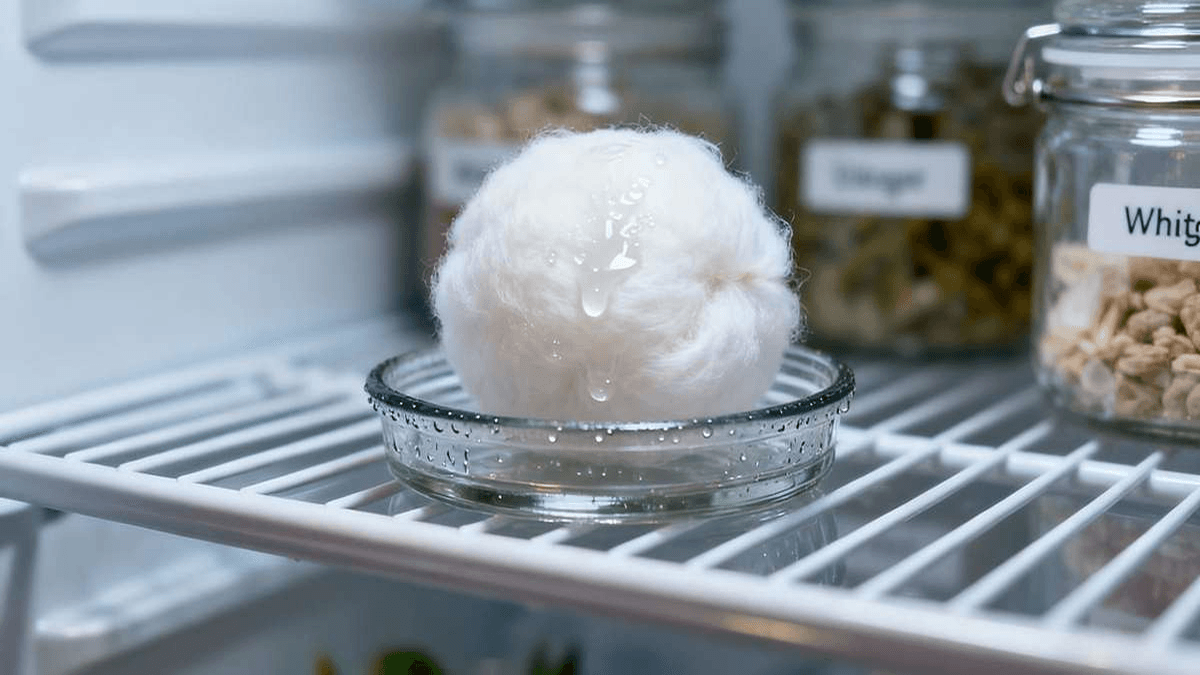
Prepare a small cotton ball, subtly moistening it with white vinegar or coating it with a layer of baking soda.
Place this cotton ball in a small, unobstructed container, in a discreet spot on one of the refrigerator shelves.
It is crucial to avoid direct contact between the cotton and food to prevent any flavor alteration or potential contamination.
It is recommended to replace the cotton ball every seven days, or promptly if you notice odors returning.
Maximizing Cotton Efficiency in Food Preservation: Important Recommendations
Avoid overfilling cotton bags; it is essential to allow adequate airflow for preservation.
Organize products by separating those that tend to release more moisture from those prone to absorbing it, such as leafy greens.
Conduct periodic inspections of the contents to identify and remove items showing signs of spoilage, preventing the spread of microorganisms.
Incorporating these eco-friendly tactics not only benefits the planet but also enhances the quality of your food preservation.
Other Sustainable Food Storage Solutions
Beyond cotton, there are other natural and reusable approaches to extend the shelf life of food:
Beeswax Wraps: Reusable beeswax-based wraps offer protection for fruits, vegetables, and cheeses, forming an antimicrobial barrier that also allows food to "breathe."
Glass Containers: Excellent for storing sauces, preserves, jams, and dry goods, these are safe, reusable choices that do not interfere with the organoleptic characteristics of their contents.
Linen or Hemp Bags: Ideal for bread and nuts, these bags provide necessary ventilation, preventing moisture buildup and the consequent degradation of products.
Comments (0)
No comments yet. Be the first to comment!