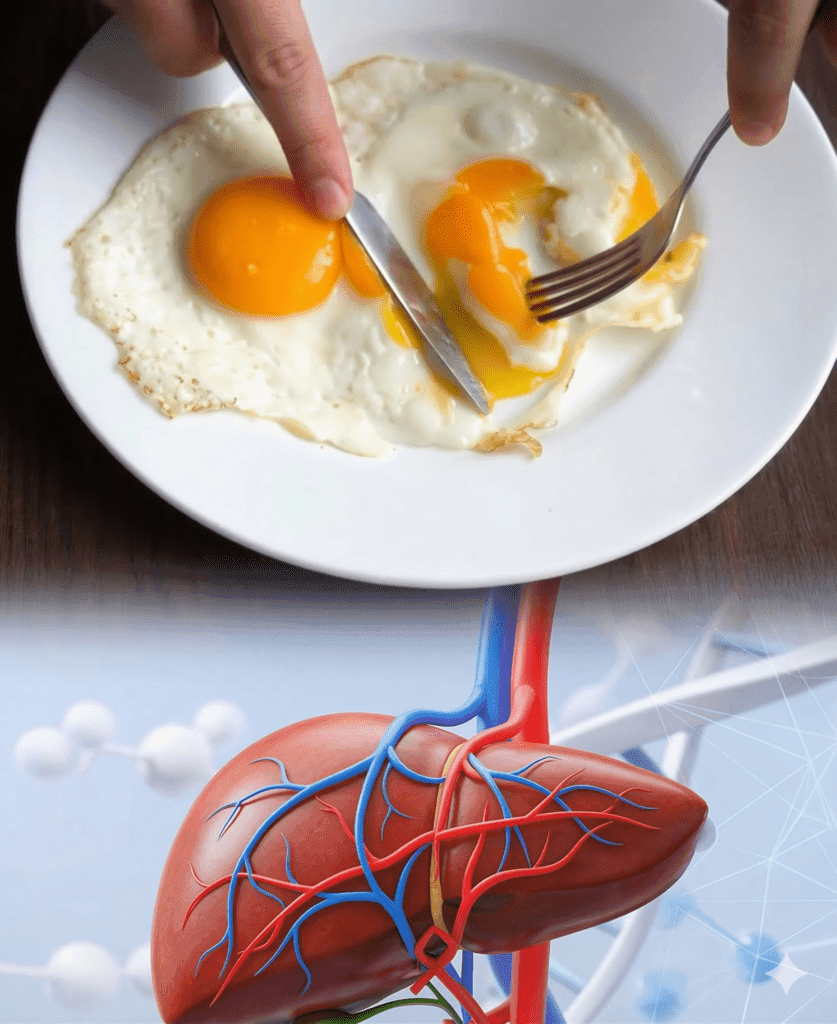
Eggs and Liver: Experts Clarify Benefits and Key Considerations
The Impact of Egg Consumption on Liver Health: Expert Guidance
A staple on human tables for a long time, eggs maintain their position as one of the most consumed foods on the planet. Besides being an accessible option, they stand out for their versatility, allowing for countless preparation methods.
Despite their popularity, many people still have questions about the food's effect on health, particularly concerning the liver. In recent years, the debate has intensified over whether eggs are allies or detractors of this vital organ.
While part of the population advocates for their restriction, a large number of specialists emphasize that eggs are a rich source of nutrients crucial for the proper functioning of the body. The reality is that the interaction of eggs with the body is intrinsically linked to the portion consumed and the individual's health status.
When integrated into the diet in a balanced way, they can provide a wide range of nutritional advantages.
Nutritional Components of Eggs that Benefit the Liver
Eggs are endowed with various nutrients fundamental for organic performance, with a large part of them concentrated in the yolk – a portion often, and sometimes unfairly, avoided. Among these elements are vitamins, minerals, and compounds that act in essential metabolic processes, including those directly linked to liver health.
Choline: Key for Lipid Metabolism
One of the most relevant nutrients found in egg yolk is choline. This compound plays an indispensable role in the metabolism of fats within the body. Choline assists the liver in the proper processing and transport of lipids, preventing their accumulation in the organ.
Choline deficiency in the body increases the risk of developing fat accumulation in the liver, a condition known as hepatic steatosis or fatty liver disease. Thus, the inclusion of foods rich in this nutrient can significantly contribute to maintaining liver efficiency.
B Vitamins and Their Role in the Body
Eggs are also an excellent source of B vitamins, involved in multiple crucial physiological processes. These vitamins are essential for converting food into energy, supporting the body's detoxification mechanisms, and contributing to overall metabolic balance.
With an adequate intake of these vitamins, the liver can perform its functions more effectively, equally benefiting other bodily systems.
The Importance of Vitamin D
Another nutrient present in eggs is vitamin D, widely recognized for its role in bone health and optimizing the immune system. Additionally, research indicates that optimal levels of this vitamin can contribute to reducing inflammatory processes and promoting more efficient metabolism.
Although its action is not directly on the liver, vitamin D promotes overall body health, which, in turn, positively impacts liver functionality.
Essential Minerals for Body Protection
Among the minerals contained in eggs, selenium and zinc stand out, both vital for a range of bodily functions. Selenium acts as a powerful antioxidant, protecting cells against damage caused by free radicals. Zinc, in turn, participates in numerous enzymatic processes crucial for the body's homeostasis.
The presence of these minerals is fundamental for global health, offering protection to various organs, including the liver.
When Egg Intake Requires Moderation
Despite their recognized nutritional benefits, it is essential to remember that excessive consumption of any food can lead to undesirable consequences. With eggs, the premise is no different.
There are specific circumstances where moderation is necessary, especially for individuals who already have certain pre-existing health conditions.
Cholesterol in the Yolk
The egg yolk is known for its cholesterol content, a fact that, for a long time, raised concerns about its consumption. Currently, various specialists confirm that, for healthy individuals, moderate egg consumption typically does not pose a considerable risk.
However, patients with elevated cholesterol levels or those suffering from liver diseases must strictly follow medical recommendations, which will determine the ideal amount to be integrated into their diet.
Stimulation of Bile Production
The yolk also has the capacity to stimulate bile production, a fluid synthesized by the liver that plays a crucial role in fat digestion. In normal situations, this process is an integral part of physiological functioning.
However, individuals with gallstones may experience discomfort after consuming foods that intensify this production. In such cases, a more cautious approach to egg consumption may be prudent.
Precaution in Cases of Diabetes and Heart Disease
People with diabetes or cardiovascular diseases should also monitor the quantity of eggs consumed, particularly if there is already dysregulation in cholesterol or blood fat levels. In these situations, the diet must be meticulously planned, considering the particular needs of each patient.
Guidelines for Healthy Egg Inclusion in the Diet
To enjoy the nutritional benefits of eggs without compromising health, some simple practices can make all the difference. Moderation in consumption is one of the main guidelines, and the preparation method also influences the nutritional value of the food.
Simpler preparation options, such as boiled, poached, or pan-fried eggs with minimal added fat, are considered the healthiest. It is also advisable to avoid frequent combination with excessively fatty or ultra-processed foods, which can overburden the body.
Maintaining a balanced diet, rich in fruits, vegetables, and fiber, is fundamental for liver health and the entire body. Furthermore, continuous water intake throughout the day contributes to maintaining proper metabolism.
Finally, individuals who already have liver, metabolic, or cardiovascular diseases should always seek advice from a healthcare professional before implementing significant changes to their diet.
A Nutritious Food When Consumed in Balance
Eggs represent a nutritious source of various essential components for the body, such as choline, vitamins, and minerals. When consumed sparingly and as part of a balanced diet, they can be an ally for proper body functioning and a healthy life.
More important than focusing on a single food, the key to preserving liver health lies in the entirety of daily habits, which include a balanced diet, constant hydration, and an active lifestyle.
Related Posts

Centenarian Emma Morano: 117 Years of Life, an Unusual Diet, and Unwavering Autonomy
Delve into the saga of an Italian woman who navigated 117 years of history with a peculiar diet and indomitable determination, challenging the social conventions of her era.
Comments (0)
No comments yet. Be the first to comment!