14 Surprising (and Overlooked) Causes of High Blood Pressure
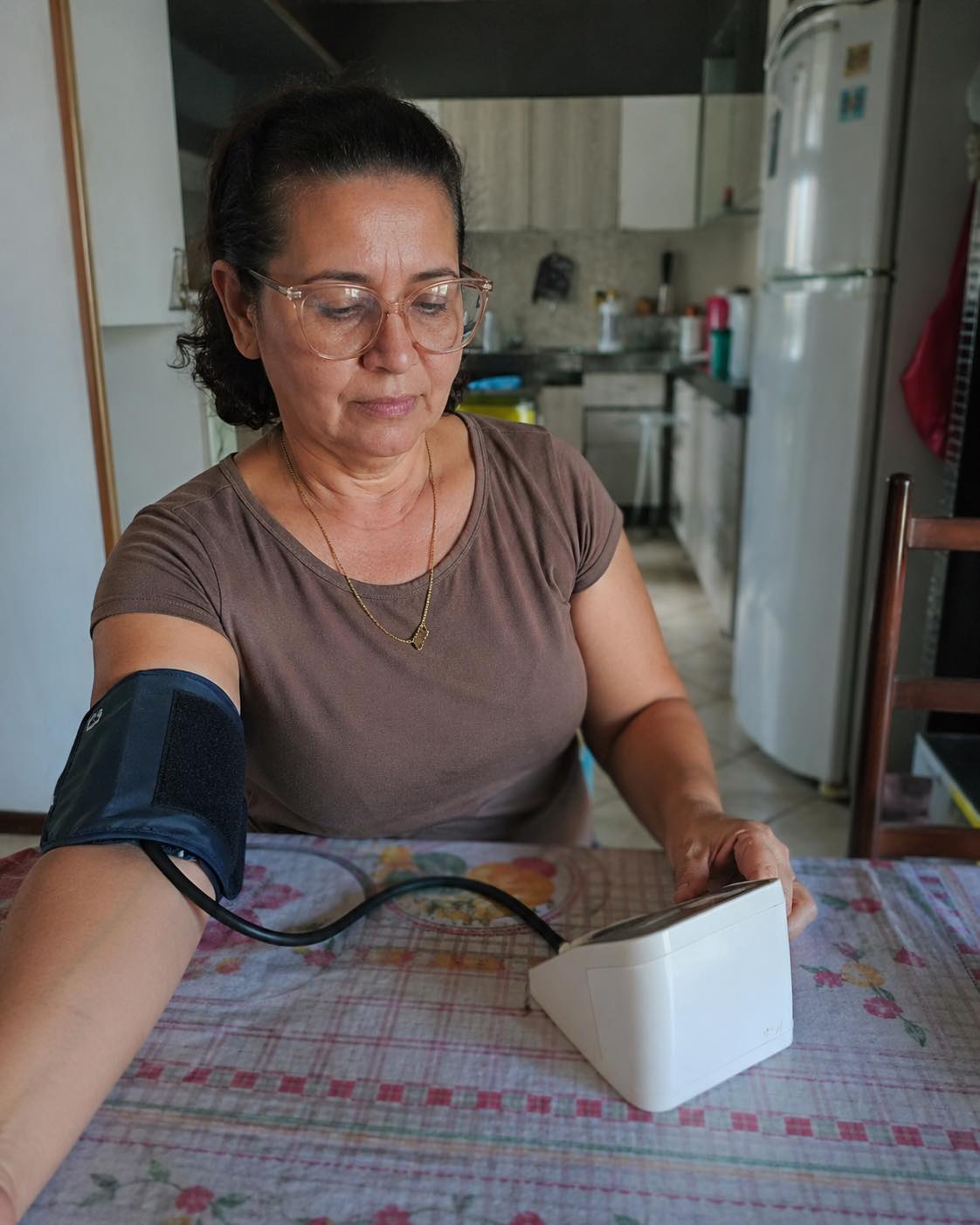
Imagem: Reprodução
Publicado em 26 de abril de 2026
Hypertension, or high blood pressure, affects approximately 20 to 30% of the adult Brazilian population.
This condition forces the heart to exert greater effort than normal, compromising the function of other organs and increasing, for example, the risk of stroke and heart attack.
According to the Brazilian Society of Cardiology (SBC), hypertension is the cause of 60% of heart attacks and 80% of strokes (cerebrovascular accidents).
But do you know what might be raising your blood pressure?
Check out some surprising causes:
1. Excessive Sugar Intake
Excessive sugar consumption can be even more dangerous for blood pressure than salt, especially if the sugar is in a processed form, such as high-fructose corn syrup.
Read also

People who consume more sugar show a significant increase in both systolic and diastolic pressure.
Just one glass of sugary soda, for example, can cause a rise in blood pressure.
We remind you that a healthy blood pressure reading is considered to be around 120/80 mmHg (12 by 8).
2. Loneliness
Loneliness is not just about the number of friends you have – it's about feeling connected.
The effects of loneliness on hypertension worsen over time (on average after four years).
A recent study found that the blood pressure of the loneliest people increased by more than 14 points.
Researchers believe that the continuous fear of rejection and disappointment regarding safety and security can change how the body functions.
3. Sleep Apnea
People with sleep apnea have a higher chance of developing high blood pressure and other heart problems.
When breathing is repeatedly interrupted while you sleep, your nervous system releases chemicals that raise blood pressure.
Additionally, you receive less oxygen, which can damage blood vessel walls and make it harder for the body to regulate blood pressure.
4. Potassium Deficiency
Kidneys need a balance of sodium and potassium to maintain the correct amount of fluid in the blood.
Therefore, even if you are eating a low-salt diet, you may still have higher blood pressure if you are not consuming fruits, vegetables, beans, low-fat dairy, and fish.
Foods like bananas, broccoli, nuts, spinach, and other leafy greens are also rich in potassium.
5. Pain
Sudden or acute pain stresses the nervous system and can increase blood pressure.
You can feel this effect when you place a hand in ice water, press your cheek or fingernail, or receive an electric shock on your finger.
6. Herbal Supplements
Do you take herbal supplements like ginkgo biloba, ginseng, guarana, ephedra, bitter orange, or St. John's wort?
Beware!
These plants can raise your blood pressure or alter how medications work, including those used to control high blood pressure.
7. Thyroid Problems
When this gland doesn't produce enough thyroid hormone, your heart rate slows down, and arteries become less elastic.
Low hormone levels can also increase 'bad' cholesterol (LDL), which hardens the arteries.
Blood moves through hardened vessels more quickly, pushing against the walls and raising pressure.
Although less common, an excess of thyroid hormone can make your heart beat harder and faster, which will also increase blood pressure.
8. Infrequent Urination
A study conducted with middle-aged women found that systolic pressure rose by an average of about four points, and diastolic by three points, in women who had not used the restroom within at least three hours.
9. Non-Steroidal Anti-Inflammatory Drug (NSAID) Consumption
All non-steroidal anti-inflammatory drugs (NSAIDs), such as aspirin and ibuprofen, can increase blood pressure in healthy individuals or those who already have elevated blood pressure.
10. Decongestants
Ingredients like pseudoephedrine and phenylephrine can narrow blood vessels.
This means the same amount of blood has to squeeze through a smaller space, like a crowd pushing through a hallway.
These drugs can also make blood pressure medications less effective.
Your doctor or pharmacist can help you choose over-the-counter products for sinus and cold problems that are safer if you have high blood pressure.
11. Dehydration
When your body's cells don't have enough water, your blood vessels constrict.
This happens because the brain sends a signal to the pituitary gland to release a chemical that shrinks them.
The kidneys produce less urine to hold onto existing fluid, which also narrows blood vessels in the heart and brain.
12. Contraceptives
Pills, injections, and other contraceptive devices use hormones that restrict blood vessels, so it's possible for blood pressure to rise.
It's more likely to be an issue for women over 35, those who are overweight, or smokers.
A lower dose of estrogen may keep the numbers closer to normal.
13. Experiencing Emotions While Speaking
The higher your resting blood pressure, the higher the readings will be when you start speaking.
And the effect lasts for a few minutes.
This is because the emotional content of what you are saying can accelerate your heartbeat, forcing more blood through the vessels.
14. Antidepressants
Medications like dopamine, norepinephrine, and serotonin – including venlafaxine (Effexor), monoamine oxidase inhibitors (MAOIs), tricyclic antidepressants, and fluoxetine (Prozac, Sarafem) – can change not only mood but also blood pressure.
Selective serotonin reuptake inhibitors (SSRIs) can increase it if you are also taking lithium or other drugs that affect serotonin.
Read also
Comments (0)
No comments yet. Be the first to comment!