Why Do Mosquitoes Always Choose You? The Scientific Explanation Few Know
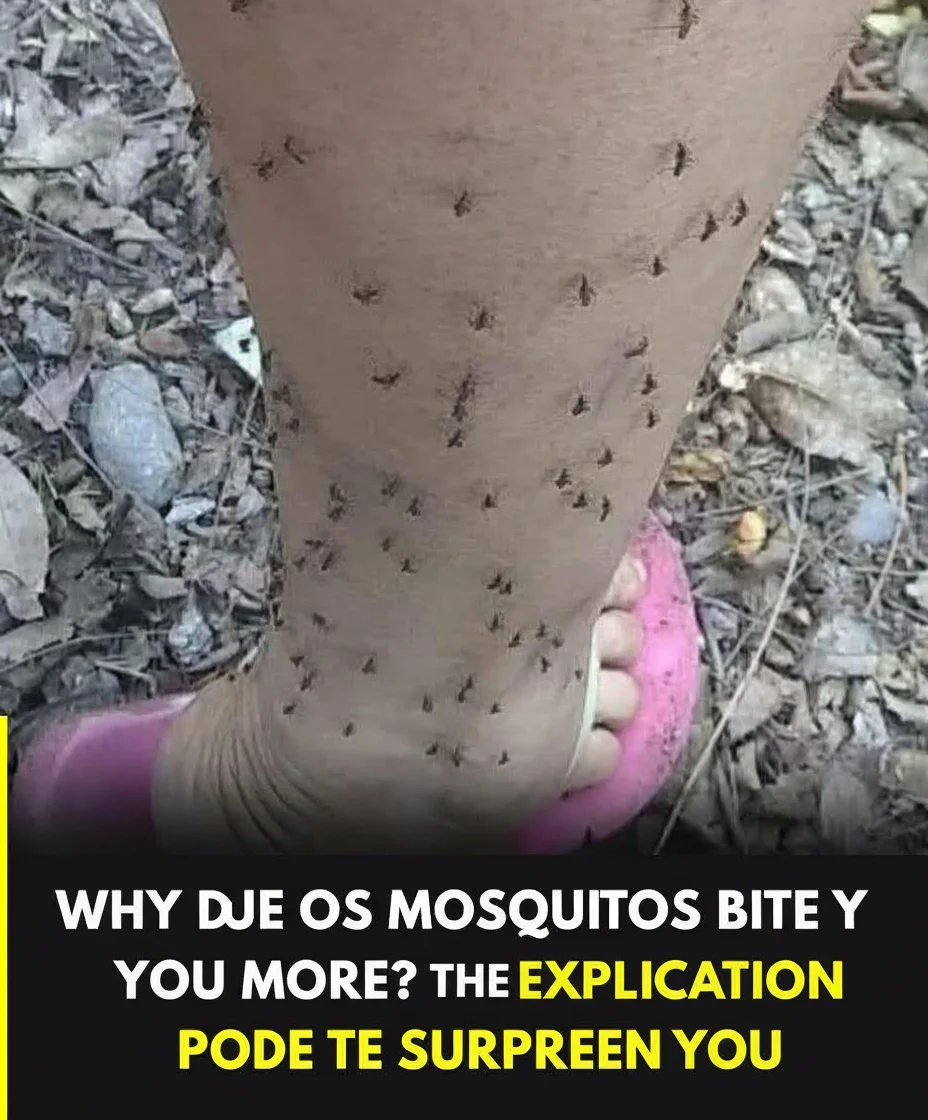
Imagem: Reprodução
Publicado em 16 de março de 2026
Understand the biological factors that make you a mosquito's preferred target.
Almost everyone has witnessed this scene: an outdoor gathering, pleasant weather, and by the end, only one person is covered in bites while others remain unscathed.
It doesn't matter if you used repellent, wore long sleeves, or avoided green areas. The feeling is clear: mosquitoes have their favorite people.
And this perception is not an exaggeration. Science confirms that mosquitoes do not bite randomly.
Their choice is influenced by biological, chemical, and environmental factors, many of which are beyond our control.
The Bite Is Not Random
Only female mosquitoes bite humans, as they need blood to complete their reproductive cycle.
Read also

Over time, they have developed highly efficient sensors to identify the most “interesting” hosts.
The human body emits constant signals that act as a true radar for mosquitoes.
Some individuals produce these signals more intensely, making them preferred targets.
The Role of Carbon Dioxide
One of the main attractants is the carbon dioxide released through breathing.
Mosquitoes can detect this gas from great distances.
People with greater height, more body mass, or who move around a lot tend to release more CO₂.
Body heat reinforces this signal, helping the insect locate its target precisely.
The Natural Scent of Skin
Human skin harbors millions of bacteria that produce specific chemical substances. This combination creates a “unique odor” for each person.
Some of these scents are extremely attractive to mosquitoes. This is not related to lack of hygiene, but rather to natural characteristics of the body.
Blood Type Influences
Studies indicate that blood type also affects mosquito preference.
People with type O blood tend to be bitten more often, while those with type A blood usually attract fewer insects.
Furthermore, certain individuals release substances through their skin that make it easier for mosquitoes to identify their blood type.
Sweat and Physical Activity
After physical exercise, the body releases sweat, lactic acid, and more heat. This combination acts as a strong lure for mosquitoes.
For this reason, it's common to notice more bites after walks, runs, or any activity that raises body temperature.
Clothing Color Makes a Difference
Mosquitoes also use vision to locate their victims. Dark colors, such as black, navy blue, and red, create greater contrast and attract more attention.
Light-colored clothing, on the other hand, reflects light and helps reduce visibility for these insects.
Alcohol, Hormones, and Perfumes
Alcohol consumption can increase attractiveness, possibly by altering metabolism and body heat.
Hormonal changes, such as pregnancy, menstrual cycle, or periods of stress, can also modify body odor.
Perfumes and cosmetics with sweet or floral fragrances can intensify the problem, as they resemble aromas associated with food.
Genetics Comes into Play
Researchers estimate that a large part of mosquito attraction — between 60% and 70% — is determined by genetics. This explains why some people have been bitten since childhood.
It's not bad luck, but a hereditary combination of chemical signals that mosquitoes easily recognize.
Environment and Prevention
Hot and humid climates favor mosquito proliferation, especially at dawn and dusk. Living near stagnant water further increases exposure.
While it's not possible to change one's biology, certain actions can help reduce bites: using repellent, opting for light-colored clothing, avoiding critical hours, and eliminating stagnant water sources.
Understanding these factors helps us realize that being bitten more often isn't personal — it's just science acting upon the unique chemistry of each body.
Read also
Comments (0)
No comments yet. Be the first to comment!