Published on July 17, 2025
Maternal Microbiota and Autism: Study Links Gut Bacteria to Fetal Brain.
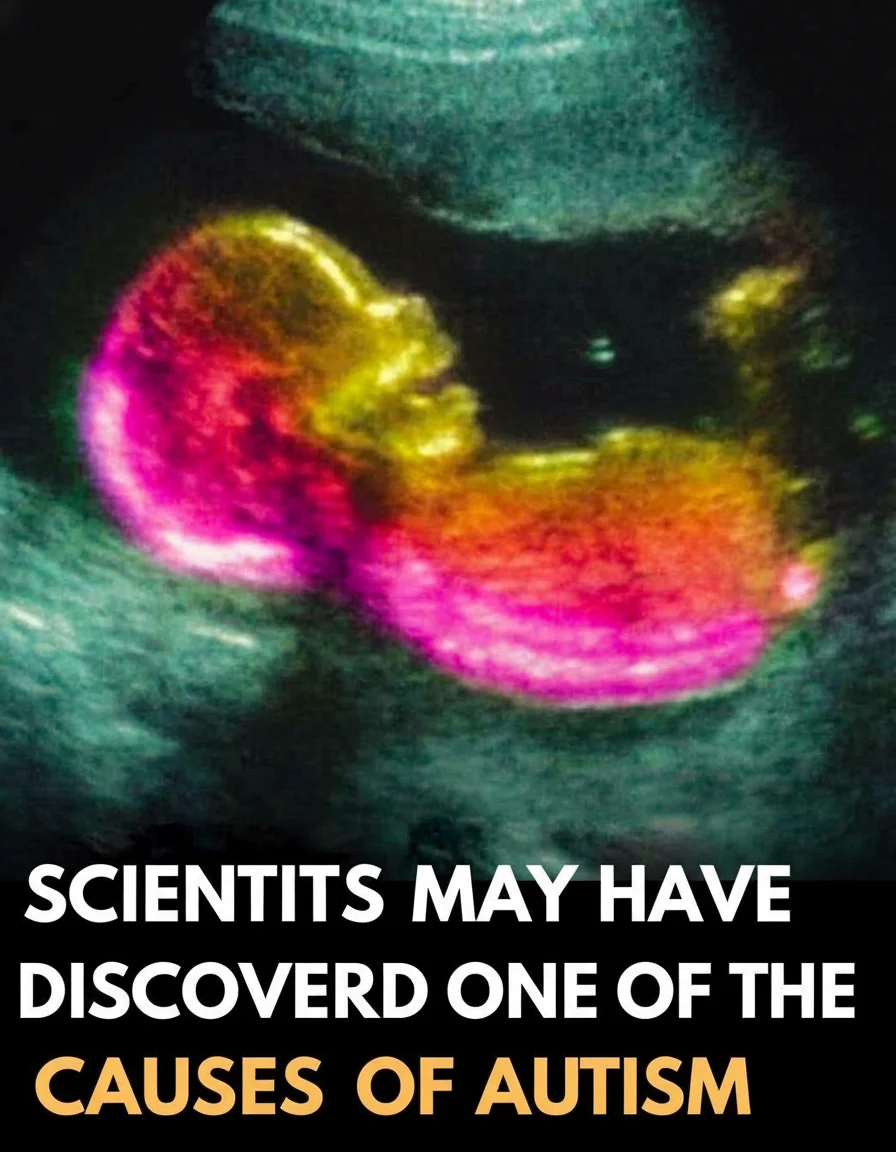
New research indicates that maternal microbiota and autism may be more connected than previously imagined.
The pregnant woman's gut ecosystem is emerging as a key player not only in digestion and immunity but also in fetal neurodevelopment.
A University of Virginia study, published in the Journal of Immunology, showed that bacterial alterations capable of increasing the inflammatory molecule IL‑17A during pregnancy led to autism spectrum disorder (ASD)-like behaviors in newborn mice.
The discovery rekindles the debate about prenatal factors of autism and paves the way for future preventive interventions.
Microbiota: The Pregnant Woman's “Invisible Ecosystem”
The microbiota contains trillions of microorganisms that modulate hormones, metabolism, and the immune system.
During pregnancy, this collection of bacteria can change naturally, influencing chemical signals that cross the placenta and reach the developing fetal brain.
IL‑17A: The Inflammatory Molecule Under Scrutiny
Researchers focused on interleukin‑17A (IL‑17A), a cytokine known to mediate autoimmune diseases.
In experiments, pregnant mice with pro-inflammatory microbiota produced elevated levels of IL‑17A.
The offspring exhibited reduced sociability and repetitive movements — classic hallmarks of ASD in rodent behavioral tests.
Fecal Transplant Reinforced the Hypothesis
By transferring the “inflammatory” microbiota to healthy female mice, the same pattern of high IL‑17A and autistic traits emerged in the new offspring. Blocking IL‑17A during gestation, on the other hand, prevented the problem, regardless of the original bacteria.
What Do These Findings Mean?
While promising, the results come from animal models. There is no direct evidence in humans yet. However, they suggest that:
- Diet, antibiotics, and maternal stress — factors that alter the microbiota — can impact the baby's brain.
- Future probiotic or anti‑inflammatory therapies may reduce ASD risks in susceptible families.
FAQ
Does the mother's microbiota really cause autism in the baby?
In mice, a clear correlation was observed via IL‑17A. In humans, the hypothesis still needs confirmation with population studies.
Do probiotics during pregnancy prevent autism?
There is insufficient clinical evidence. Supplements should only be used under medical supervision.
Is IL‑17A dangerous at any level?
No; it plays a role in defense against infections. The problem occurs when it remains chronically elevated during critical developmental stages.
How to care for the microbiota before getting pregnant?
A fiber-rich diet, yogurt or kefir, reduction of ultra-processed foods, and stress management aid in bacterial balance.
The study underscores that the intrauterine environment goes beyond nutrients and hormones: signals from the maternal microbiota can shape developing brain circuits.
Although the evidence is still preliminary for humans, taking care of gut health before and during gestation emerges as a promising strategy for more protected neurological development.
Comments (0)
No comments yet. Be the first to comment!