When Women Challenged the Rules: The Story of the Bikini and Its Revolution
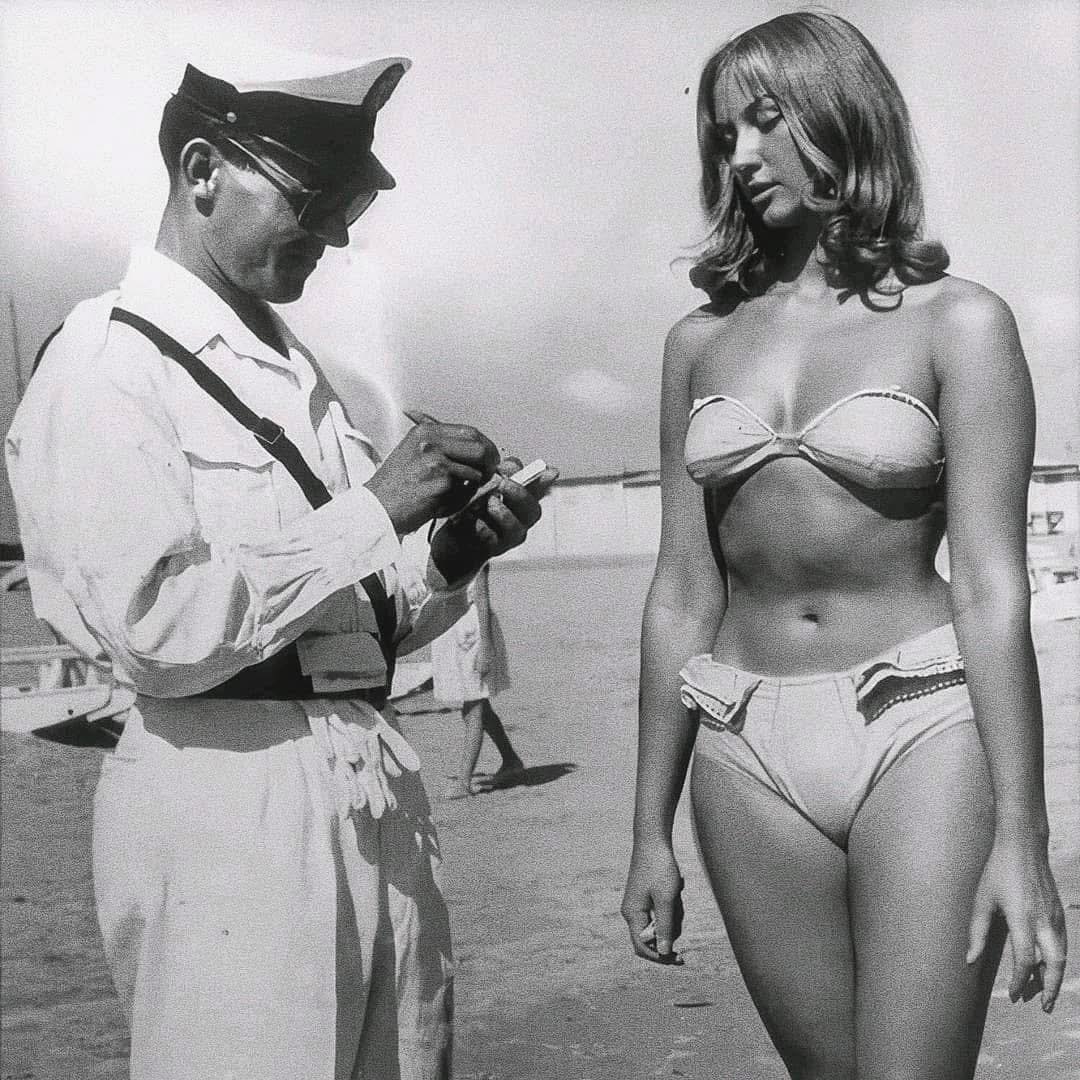
Imagem: Reprodução
Publicado em 16 de março de 2026
Published on August 19, 2025
From Forbidden Garment to Symbol of Freedom: The Bikini's Journey Over the Last Century.
Sometimes, it's just a few inches of fabric that change everything.
The bikini, so common today on beaches and by pools, was once considered immoral, scandalous, and even criminal.
But, behind this piece of fabric, lies a history of struggle: women's quest for autonomy over their bodies, their image, and their freedom.
In the Beginning, Bathing Was Synonymous with Modesty
At the beginning of the 20th century, going to the beach had nothing glamorous about it. Women wore heavy woolen swimsuits that covered them from neck to ankles.
Read also

In some U.S. cities, inspectors would measure the length of swimsuits with a tape measure — and anyone showing “too much skin” could be fined.
It was more about respecting codes of decency than enjoying the sun.
Annette Kellerman's Audacity
In 1907, Australian swimmer Annette Kellerman broke this rule by appearing in public in a one-piece swimsuit that exposed her arms and legs.
The result? She was arrested for indecency.
But her audacity paved the way: soon, other women adopted the style, seeking more comfort and mobility in the water.
It was the beginning of a slow, but significant change.
The 1920s: First Signs of Freedom
In the 1920s, the “garçonne” fashion also reached the beaches. Swimsuits became tighter, more practical, and even sleeveless.
It wasn't a revolution yet, but it already revealed something bigger: women were seeking less censorship and more freedom of movement.
The reflection was clear: female emancipation was also progressing in other areas — such as sports, work, and politics.
1946: The Bikini Explosion
The turning point came in 1946, when French designer Louis Réard presented the first modern bikini in Paris.
Small, daring, and with the navel exposed, it shocked the world.
The chosen name was no coincidence: Réard named it after the Bikini Atoll, where the United States conducted nuclear tests — to symbolize its “explosive” effect.
The reaction was immediate: the bikini was banned on several beaches, condemned by the Vatican, and rejected by Hollywood cinema, which did not allow navels to be shown on screen.
Bardot, Andress, and the Revolution Through the Screens
In the 1950s and 60s, the bikini returned to the scene with force thanks to cinema. Brigitte Bardot appeared in it in The Girl in the Bikini and became a symbol of freedom. Shortly after, Ursula Andress made history by emerging from the waters in the film James Bond: Dr. No.
This time, the message was clear: the bikini ceased to be a source of shame and became an affirmation of power and sensuality.
The 70s: Diversity and Affirmation
The 70s marked the definitive turning point. The bikini became a global fashion, in various forms: triangle, string, bandeau, thong.
It was no longer just swimwear: it was a declaration of autonomy. Showing one's body ceased to be censored and became personal expression.
The Bikini Today: Freedom and Plurality
Currently, the bikini is not a uniform for thinness, youth, or a single standard.
On the contrary: beachwear celebrates all bodies — thin, curvy, mature, young, with or without scars.
More than a piece of seduction, it has become a symbol of self-acceptance and pride.
⚡ Curiosity:
The bikini was only officially accepted in the Miss Universe pageant in 1997 — more than 50 years after its creation.
What Does the Bikini Teach Us About Society?
The bikini is a mirror: it shows how we have changed. From a forbidden garment to a fashion icon, from a scandal to a symbol of freedom. Its trajectory is also the trajectory of female emancipation — made of courage, resistance, and achievements.
FAQ
Who created the modern bikini?
The French designer Louis Réard, in 1946, in Paris.
Was the bikini ever banned?
Yes. Many countries and even the Vatican condemned its use shortly after its launch.
What was the role of actresses in popularizing the bikini?
Brigitte Bardot and Ursula Andress helped transform it into a symbol of sensuality and freedom in the 50s and 60s.
Does the bikini today have to follow any standard?
No. Currently, beachwear values all bodies and styles, promoting diversity.
Read also
Comments (0)
No comments yet. Be the first to comment!