Pancreatic Cancer: Signs and Symptoms to Watch For Early Detection
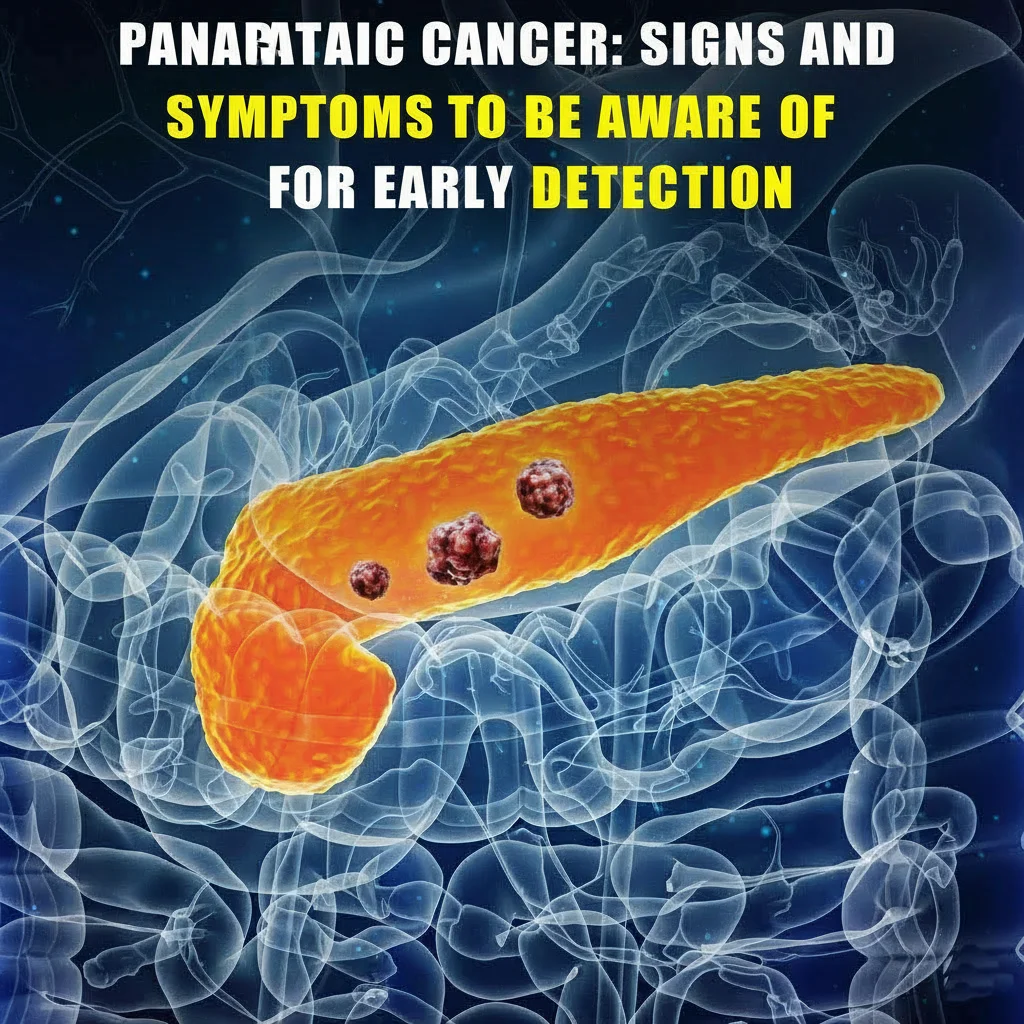
Imagem: Reprodução
Publicado em 16 de março de 2026
Published on October 17, 2025
10 Signs of Pancreatic Cancer That Should Not Be Ignored.
Pancreatic cancer is among the most challenging types to detect early.
This is not only because it is an aggressive disease, but mainly because its symptoms often only appear in more advanced stages.
Nevertheless, the body often emits signs — often subtle — that, if recognized in time, can make a difference in diagnosis and treatment.
Researchers at the University of Oxford have identified a series of symptoms that may indicate the presence of this type of cancer.
According to the study, most patients present some of these signs up to a year before the diagnosis is confirmed.
When symptoms are more evident, the tumor is usually identified within a period of up to three months.
Read also

The investigation analyzed data from 24,236 people diagnosed with pancreatic cancer in England between 2000 and 2017.
Experts evaluated symptoms reported at different times leading up to the diagnosis and compared them with information from people who did not develop the disease.
Below, check out the main symptoms, risk factors, and prevention strategies related to pancreatic cancer.
Understanding Pancreatic Cancer
The pancreas is an organ located behind the stomach and has essential functions: it aids digestion and regulates blood sugar levels.
When cancerous cells develop in this region, they compromise these functions and can spread rapidly.
One of the biggest challenges is that symptoms usually manifest when the disease is already in an advanced stage, which makes early diagnosis more difficult.
Therefore, recognizing the first warning signs is crucial.
1. Unexplained Weight Loss
Sudden weight loss, without changes in diet or exercise routine, can indicate a health problem.
Among the possible causes is pancreatic cancer, which interferes with metabolism and nutrient absorption.
2. Yellow Skin and Eyes (Jaundice)
Yellowing of the skin or the whites of the eyes can signal a buildup of bilirubin, usually caused by a blockage in the liver or pancreas.
This symptom usually appears suddenly and requires medical attention.
3. Persistent Abdominal Pain
Discomfort or continuous pain in the abdominal region, which may radiate to the back and intensify after meals, is a common symptom.
Although often confused with digestive problems, when it persists, it needs to be investigated.
4. Unusual Digestive Changes
Bloating, gas, diarrhea, and frequent indigestion may indicate that the pancreas is not producing enough enzymes for proper digestion.
This sign can appear even before other more evident symptoms.
5. Sudden Onset Diabetes
The unexpected appearance of diabetes, especially in people with no family history of the disease, may be related to changes in the pancreas, the organ responsible for insulin production.
6. Pale, Oily, or Floating Stools
Changes in the color and consistency of stools are also warning signs.
When the pancreas does not produce enough enzymes, fat digestion is impaired, which can make stools paler or oilier.
7. Intense Fatigue
Persistent tiredness, even after a good night's sleep, can indicate that the body is facing a serious illness.
This exhaustion does not improve with rest and is usually accompanied by other symptoms.
8. Back Pain Without Apparent Cause
Some pancreatic tumors can press on nearby nerves, causing back pain that does not improve with painkillers or rest.
9. Unexpected Blood Clots
The appearance of painful swelling, warmth, or redness in a leg can indicate thrombosis.
Pancreatic cancer increases the risk of blood clot formation.
10. Frequent Nausea and Vomiting
Constant nausea, feeling full after small meals, and vomiting may indicate that the tumor is interfering with the normal functioning of the digestive system.
When to Seek Medical Attention
These symptoms can also be related to other health conditions, but if they persist or appear together, it is important to seek medical attention as soon as possible.
Early diagnosis increases the chances of more effective treatment.
Factors That Increase Risk
Certain conditions and lifestyle habits can increase the risk of developing pancreatic cancer:
- Age: Most cases occur after age 60.
- Smoking: Responsible for about 20% of cases.
- Diabetes: Can be both a symptom and a risk factor.
- Obesity: Increases risk by approximately 20%.
- Family History: Cases in the family require extra vigilance.
- Exposure to Chemicals: Especially in industrial environments.
How to Reduce Risks
There is no guaranteed way to prevent pancreatic cancer, but adopting healthy habits can help significantly reduce the chances of developing the disease:
- Stop smoking.
- Eat a balanced diet, rich in fruits, vegetables, and fiber.
- Reduce alcohol consumption.
- Engage in regular physical activity.
Key Takeaways
Pancreatic cancer is silent, but not invisible. Observing changes in your body and seeking medical help for persistent signs can make all the difference.
The earlier it is diagnosed, the greater the chances of effective treatment.
Sharing reliable information is also a way to care for those you love. Be vigilant — and encourage others to do the same.
Read also
Comments (0)
No comments yet. Be the first to comment!