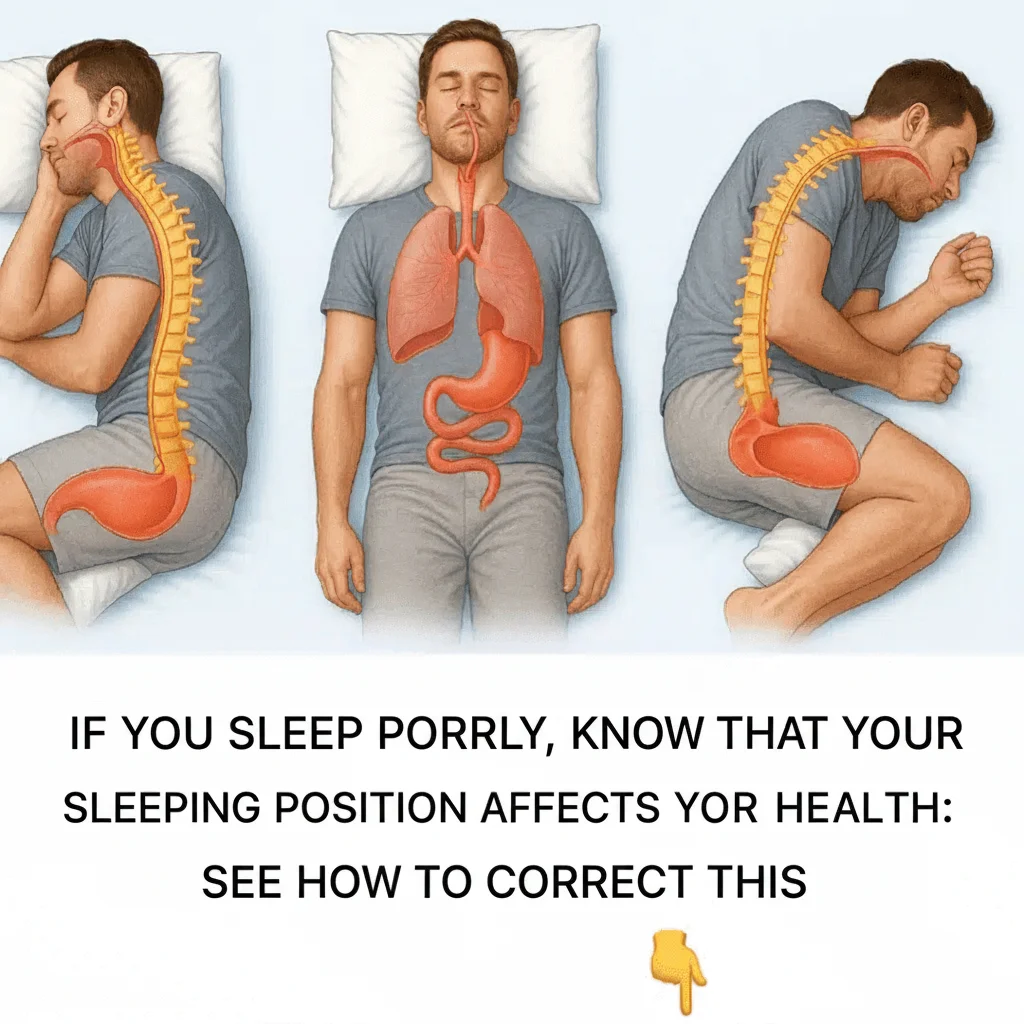
Understand How Your Nighttime Posture Can Impact Sleep, Relieve Pain, and Prevent Ailments.
Every night, before drifting off to sleep, we ritualistically settle into bed, close our eyes, and aim for a night of complete rest. Whether on our back, side, in the fetal position, or on our stomach.
But have you ever considered that the way you position yourself while sleeping might be the key to unlocking morning aches, sleepless nights, or that persistent exhaustion?
Sleeping goes far beyond a simple “shutdown” of the body. It's the crucial period when the body restores itself, repairs tissues, and reorganizes vital functions.
And, if the adopted posture is inadequate, this restorative process can be seriously compromised, sometimes without immediate, evident symptoms.
Warning Signs Emitted by the Body
Intense snoring, morning migraines, heartburn, a sensation of choking, or fatigue that doesn't subside even after eight hours of sleep…
We often attribute these ailments to daily stress or mattress quality; however, the position we sleep in might be the real culprit behind these discomforts.
Sleeping on Your Left Side: Science-Backed Benefits
This practice transcends a mere suggestion from Eastern philosophies. Resting on the left side of the body notably aids digestion, reduces the occurrence of gastroesophageal reflux, optimizes lymphatic circulation, and is particularly beneficial for pregnant women, promoting better blood flow to the fetus.
Additionally, sleeping on your side stimulates the glymphatic system, a brain mechanism responsible for eliminating metabolic waste. This process can contribute to reducing the risk of neurodegenerative diseases, such as Alzheimer's disease.
Other Postures and Their Effects on the Body
On Your Back: While it can offer spinal comfort in some cases, this position tends to exacerbate snoring and sleep apnea episodes, resulting in reduced oxygenation during the night.
On Your Stomach: This posture causes compression of internal organs, leads to cervical torsion, and hinders proper breathing, increasing the risk of developing chronic pain.
On Your Right Side: Although less harmful than sleeping on your stomach, this position can intensify reflux and place a burden on the liver.
Age and Resting Posture
Newborns should always sleep on their backs, a measure proven to reduce the risk of sudden infant death syndrome. For adults over 60, avoiding the back-sleeping position can be helpful in mitigating the incidence of sleep apnea.
Real Cases That Demonstrate the Difference
Ekaterina, 34, experienced frequent heartburn after childbirth. By adopting a side-sleeping position, she noticed a significant and rapid improvement in her symptoms.
Anatoly, 57, diagnosed with apnea, managed to reduce episodes by 70% by switching to side-sleeping with the help of an orthopedic pillow.
Five Sleep Myths You Need to Forget
Sleeping on your back is always the best option — it's not universally ideal.
Resting on your stomach aids digestion — in fact, the opposite occurs.
Ergonomic pillows are unnecessary — they can revolutionize your sleep experience.
Snoring is just an annoying noise — it can be a serious indicator of apnea.
It's possible to make up for lost sleep hours on the weekend — this strategy doesn't work for the body.
Recent research indicates that individuals who sleep on their side exhibit more efficient brain fluid drainage, a process the body optimally performs only during deep sleep.
Practical Recommendations for Better Sleep Tonight
Place a pillow between your knees to promote lower back relaxation.
Subtly elevate the head of your bed, which can alleviate reflux symptoms.
Use adhesive nasal strips if you suffer from nighttime nasal congestion.
Opt for a mattress that offers adequate and balanced support.
Start the night in the most recommended posture, even if your position naturally changes throughout sleep.
Frequently Asked Questions
What is the most recommended posture to prevent reflux?
Sleeping on your left side is effective in reducing symptoms and optimizing digestion.
Is sleeping on your back harmful?
Not necessarily, but it can worsen snoring and sleep apnea conditions.
Does sleeping on your stomach cause spinal damage?
Yes, as it strains the neck region and compromises spinal alignment.
Is it possible to habituate the body to side-sleeping?
Yes, with the strategic use of pillows and support between your legs, it is possible to train this position.
Comments (0)
No comments yet. Be the first to comment!