The Fastest Way to Clear Arteries (Scientifically Proven)
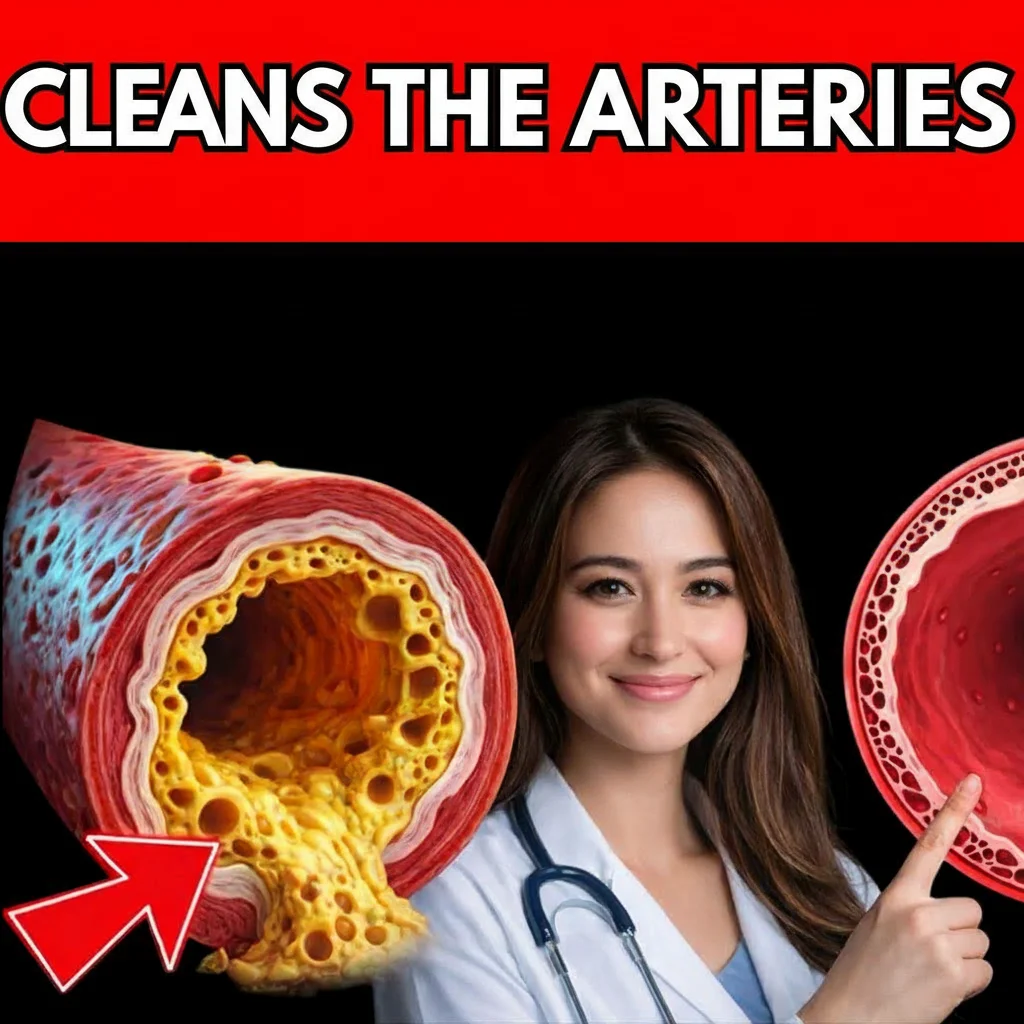
Imagem: Reprodução
Publicado em 17 de março de 2026
Published on February 15, 2026
How to Naturally Unclog and Clear Arteries, Based on Scientific Evidence.
Maintaining healthy arteries is one of the most important factors for preventing heart attack and stroke, but it is also one of the topics most surrounded by misinformation.
Many people believe there is a food, tea, or supplement that can quickly “unclog” blood vessels. However, the human body does not function like plumbing.
Arteries are living structures that respond to lifestyle, cholesterol levels, blood sugar, stress, and daily habits.
Fatty plaques do not merely accumulate on the surface of blood vessels. They are part of an inflammatory process that evolves over time.
Therefore, the true goal of medicine is to reduce inflammation, stabilize these plaques, and decrease the risk of rupture — the main cause of heart attack and stroke.
Read also

The good news is that the body has the capacity to recover when it receives the correct stimuli.
In many cases, it is possible to stabilize lesions, improve arterial function, and even reduce the progression of atherosclerosis.
This does not depend on miraculous solutions, but on a strategy based on consistent habits and, when necessary, appropriate medical treatment.
Below, you will learn about the main pillars that truly help protect arteries, safely and scientifically proven.
Stabilizing Plaque
When it comes to prevention, the most important thing is not to rapidly decrease plaque size, but to make it stable.
Inflamed plaques, with soft content, can rupture at any moment. When this happens, a clot forms, suddenly blocking the artery.
Proper treatment reduces internal inflammation and transforms this plaque into a firmer, less dangerous structure.
Often, it becomes more calcified and resistant. The initial focus is to prevent instability by reducing factors that harm the body and using medication when indicated.
Restoring the Endothelium
The endothelium is the inner lining of the arteries. When healthy, it is smooth, prevents fat accumulation, and produces nitric oxide, a substance that helps dilate blood vessels and protect against clots.
Habits such as smoking, high blood pressure, excessive blood sugar, obesity, and a sedentary lifestyle damage this layer.
Quitting smoking, controlling blood pressure, maintaining a healthy weight, managing diabetes, and improving diet are essential measures to restore vascular health.
Fiber
Soluble fibers play an important role in cholesterol control. Foods like oats, beans, lentils, chia, fruits, and whole grains help reduce LDL.
They work in the intestine, aiding in the elimination of cholesterol-containing substances. As a result, the liver needs to draw more cholesterol from circulation to replenish these losses.
Daily consumption of about 25 to 30 grams of fiber contributes significantly to cardiovascular health.
LDL Control
Studies show that, in higher-risk patients, intensive reduction of LDL cholesterol can slow down and even decrease plaque volume.
For this, a combination of appropriate diet, physical activity, and, when necessary, medication is usually required.
When circulating cholesterol remains at low levels, the body begins to mobilize some of the fat accumulated in the vessel walls.
Physical Exercise
Regular physical activity improves circulation and stimulates the release of anti-inflammatory and antioxidant substances by the arteries themselves.
This process contributes to improving vessel elasticity and reducing inflammation.
Furthermore, exercise helps control weight, reduce blood sugar, and improve insulin sensitivity.
The minimum recommendation is 150 minutes per week of moderate activity, such as brisk walking, cycling, or swimming.
Reducing Sugar
High blood glucose levels promote inflammation and increase the risk of fat accumulation in the arteries.
Frequent consumption of refined sugar and white flour contributes to this process.
Prioritizing natural foods, reducing ultra-processed products, choosing complex carbohydrates, and including quality proteins help maintain stable blood glucose and protect blood vessels.
Quality Sleep
Sleep plays an essential role in cardiovascular health. During deep rest, blood pressure decreases, heart rate slows down, and the body reduces the production of inflammatory substances.
Poor sleep keeps the body in a constant state of alert, raising cortisol levels and promoting arterial wear and tear. Establishing a regular and restorative sleep routine is a fundamental part of prevention.
Conclusion
The true “clearing” of arteries does not happen with quick fixes or miraculous promises.
It depends on a comprehensive approach: reducing inflammation, controlling cholesterol and sugar, eating better, engaging in physical activity, sleeping well, and eliminating harmful habits.
The body has a great capacity for recovery when it receives the right care.
It's not necessary to change everything at once. Start with a simple step — improving your diet, beginning walks, or seeking medical evaluation.
Small changes, maintained over time, are the most effective way to protect your heart and ensure better health in the future.
Read also
Comments (0)
No comments yet. Be the first to comment!