Not every two, nor every four days: dermatologist reveals how often you should really wash your hair
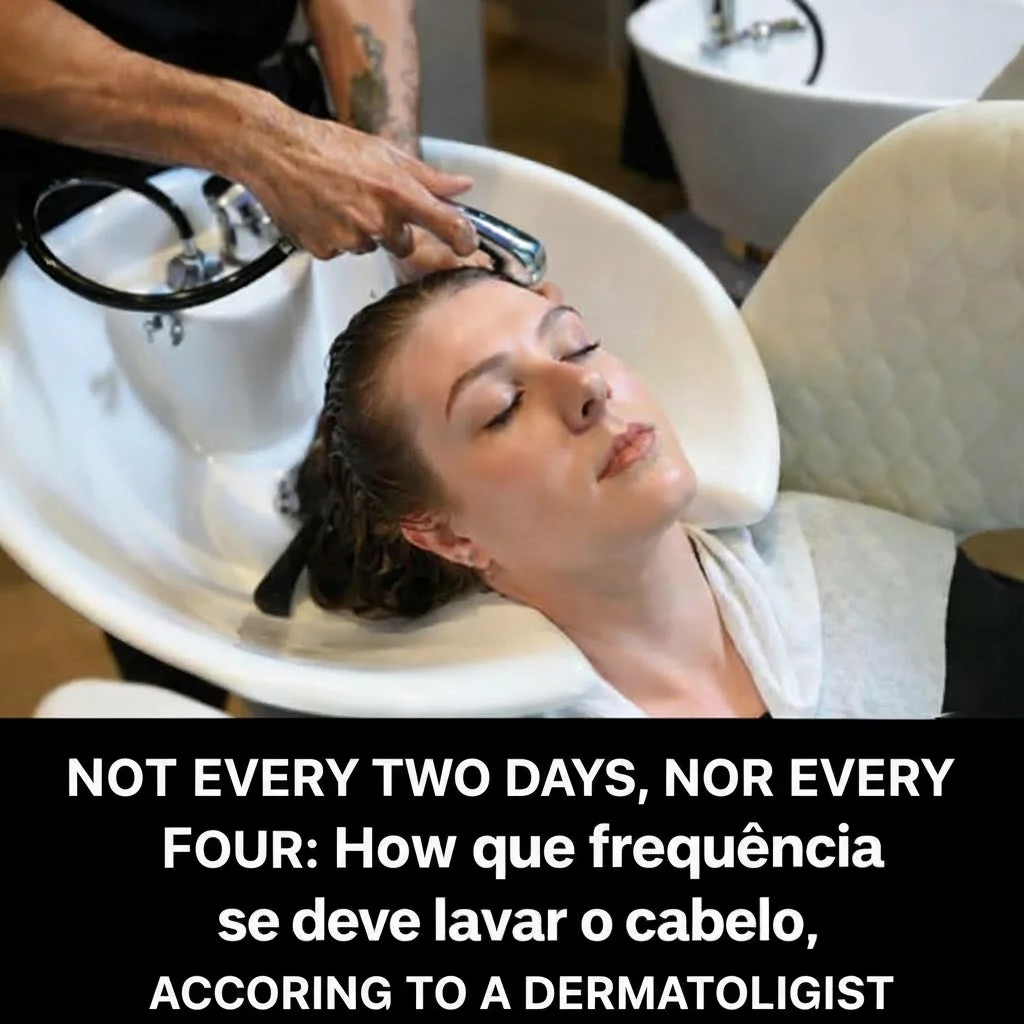
Imagem: Reprodução
Publicado em 17 de março de 2026
Understand the ideal frequency and how to adjust your routine to your hair type.
Knowing how often to wash your hair always sparks debate. After all, some advocate for alternate days, while others swear the ideal is to space out washes as much as possible. However, dermatologists warn that following a fixed rule might not be the best approach.
In practice, washing your hair shouldn't adhere to a rigid schedule. The scalp has its own characteristics and reacts differently depending on the climate, routine, and even stress levels. Therefore, the decision needs to be more personalized.
Furthermore, keeping the scalp clean is as important as preserving hair health. When there's an accumulation of oil, sweat, or product residue, discomforts like itching and a heavy sensation can arise.
Therefore, before counting days on the calendar, it's worth observing the signals your hair provides.
How Often to Wash Your Hair, According to Dermatologists?
When it comes to washing your hair, experts explain that there's no universal number that works for everyone. Still, there's an average considered safe for most people.
Read also

Generally, it's recommended to wash your hair between 3 and 5 times a week. This frequency usually balances cleanliness and the scalp's natural protection. However, this doesn't mean everyone should follow this exact pattern.
According to dermatologists, oil production is primarily determined by hormonal and genetic factors. In other words, washing your hair more frequently doesn't make the scalp produce more oil, as many believe.
Thus, the secret lies in balance.
How to Tell If It's Time to Wash Your Hair?
Instead of counting days, the ideal is to pay attention to the signals. When it comes to washing hair, the scalp usually signals when it needs cleansing.
Look out for the following indicators:
- Persistent itching at the roots
- Sensation of heavy, lifeless strands
- Unpleasant odor near the scalp
- Visible oiliness just a few hours after waking up
- Noticeable product buildup
If one or more of these signs appear, it's probably time to wash your hair, even if the planned interval hasn't been completed yet.

Does Hair Type Influence Frequency?
Yes, significantly. The decision of when to wash your hair directly depends on your hair type and scalp condition.
Generally:
- Oily hair may require more frequent washing
- Those who exercise regularly tend to need to wash their hair more often
- Hot and humid regions increase the need for cleansing
- Dry or curly hair usually tolerates longer intervals
- Chemically treated hair requires extra attention to hydration
Therefore, comparing your routine with someone else's can lead to frustration. Each body responds differently.
The Right Way to Wash Your Hair Makes a Difference
It's not enough just to decide when to wash your hair. The way you wash it also directly impacts hair health.
Firstly, prefer lukewarm water, as very high temperatures can dry out the scalp. Then, gently massage with your fingertips, without using your nails.
Additionally, apply conditioner only to the lengths and ends. This care prevents the roots from becoming even oilier.
To complement this, including a nourishing mask once a week can help maintain balance, especially if you tend to wash your hair more frequently.
Common Myths About Washing Hair
Many people avoid washing their hair for fear of damaging it. However, some concerns are not scientifically based.
Among the most common myths are:
- Washing daily causes hair loss
- The scalp "gets used to it" and produces more oil
- The less you wash, the healthier your hair becomes
In reality, hair loss observed during washing is usually of strands that were already at the end of their natural cycle. Furthermore, sebum production doesn't exclusively depend on washing frequency.
Therefore, overly restricting washing can even promote dirt buildup and discomfort.
Read also
Comments (0)
No comments yet. Be the first to comment!