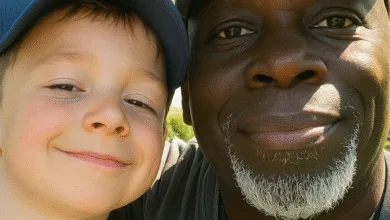
My father passed away when I was in fifth grade.
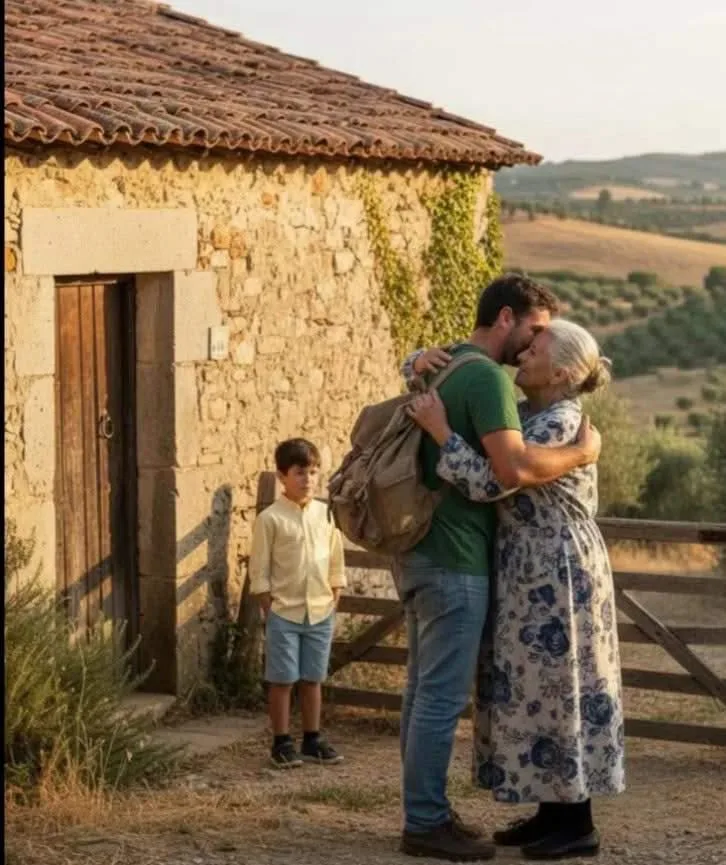
At the funeral, I remember my mother sitting beside the coffin, quietly crying — as if even her grief was afraid to make noise.
Our relatives came, offered their condolences politely, and left just as quickly, eager to return to their comfortable lives. From that day on, my mother raised me alone, taking any job she could find so I could continue studying. Life was harsh, but she never once complained.
The only person who visited us regularly was my uncle — my father’s younger brother, always cheerful, always willing to help.
But a year later, everything changed.
He was arrested for injuring a man during a drunken fight.
From that moment on, it felt like an invisible stamp had been pressed onto our foreheads.
“Trouble runs in the family,” people whispered.
“The sins of the father never fade.”
They looked at my uncle with disgust — and treated my mother and me as if we carried the same stain.
Fifteen years passed.
My uncle was finally released from prison.
Our relatives muttered, “Stay away from him. He’s a disgrace.”
But my mother, who had lived through more pain than one lifetime should allow, simply said:
“He is still your father’s brother. No matter what happened, he is our family.”
The day he returned, he stood at our gate — thin, exhausted, carrying an old torn backpack. When he saw my mother, his eyes filled with tears.
She opened the door and smiled gently.
“Come in, brother. There will always be a place for you in this home.”
From then on, he lived in my father’s old room.
He never asked for anything. Never complained.
He worked — constantly.
Every morning he went out searching for a job. Most days he returned empty-handed, but never discouraged. In the afternoons, he repaired the fence, swept the yard, and tended to a small vegetable garden behind the house.
One day, I saw him planting something.
I asked what it was.
He just smiled and said:
“What I plant here, my boy, will feed people with good hearts.”
I didn’t understand at the time — I even laughed. But now I know he meant something far deeper.
Years passed… and fate struck again.
I lost my job.
My mother became gravely ill.
Medical bills crushed us like stones piling on our backs.
One night, sitting in the dark, I seriously considered selling the house. It was all we had — and even that might not be enough.
My uncle walked in quietly, sat beside me, and said:
“When your father died, your mother welcomed me when no one else would. Now it’s my turn to repay that debt.”
Then he added:
“Get ready. Tomorrow morning, we’re leaving. Don’t ask questions.”
The next day, he put my mother — pale but smiling — and me into his old car.
We drove along a narrow road twisting through the mountains.
When we finally stopped, the sun was rising.
He pointed to an old warehouse hidden between trees.
“Come,” he said.
When I stepped inside…
I froze.
I couldn’t believe what I was seeing.
New machines. Organized shelves. Stacked boxes. Professional equipment.
An entire small business — ready to operate.
My uncle looked at me, a little embarrassed, and explained:
“I worked in the prison workshop for many years. Saved every cent I could. When I got out, I bought this place. Not for me… but for you.”
I was speechless.
He continued:
“You’ve always been hardworking. You just needed a chance. here it is.”
My mother cried silently — just as she had at my father’s funeral, except now her tears were tears of relief.
And that man, whom everyone called a disgrace…
…was the one who restored our dignity.
Today, the warehouse is our company.
It grew, prospered, and my mother — now recovered — visits every day just to make sure “we are eating properly.”
And my uncle?
He still tends to the vegetable garden behind the house.
Every time I see him planting something, I remember his words:
“What I plant here will feed people with good hearts.”
Now I understand.
He wasn’t talking about vegetables.
He was talking about love.
About loyalty.
About family.
And, above all… about redemption.