Be Skeptical of Those Who Don't Like Cats: Here's Why
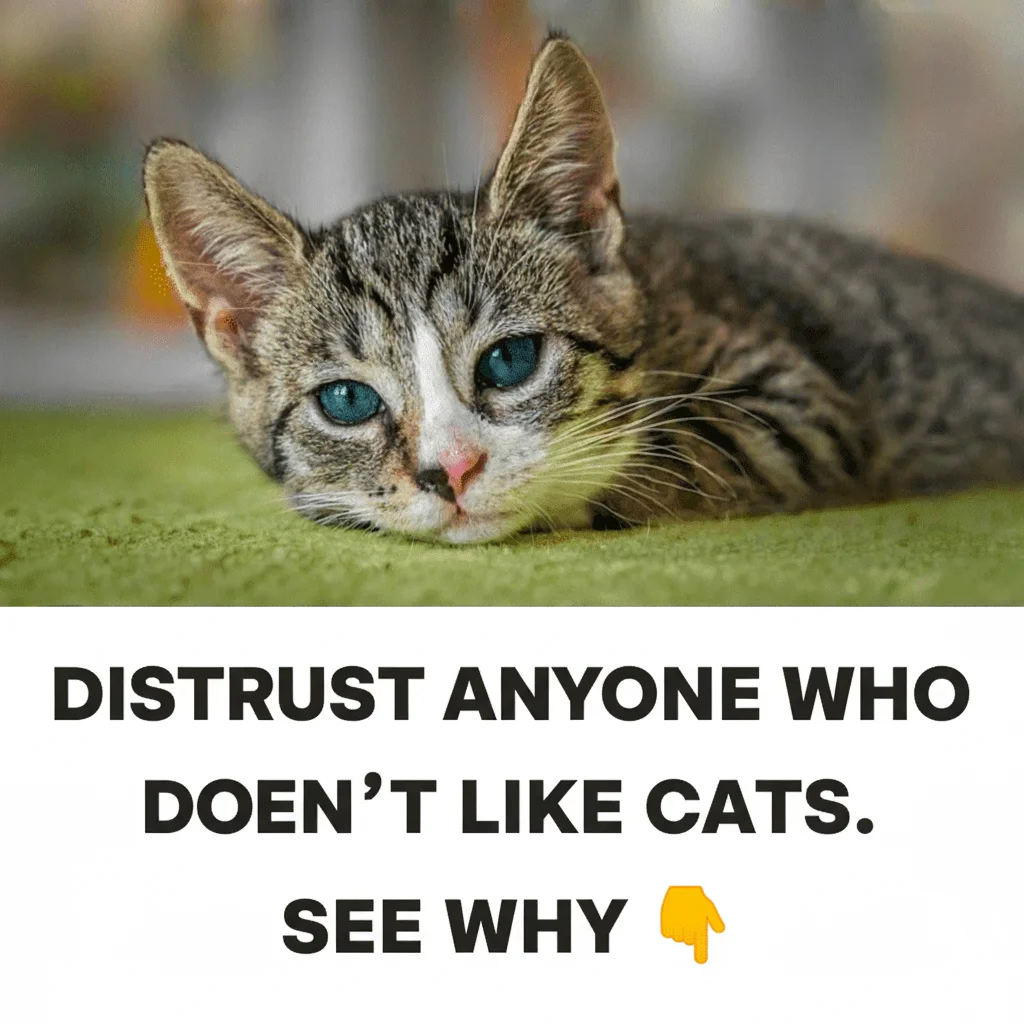
Imagem: Reprodução
Publicado em 23 de março de 2026
How someone behaves around cats can reveal surprising aspects of their personality.
It's often said that animals can sense things that go unnoticed by humans.
This seems even more evident with cats. Reserved, observant, and highly sensitive, they pick up subtle environmental changes and react to them almost silently.
Consequently, some believe that how a person interacts with cats can reveal much about their personality.
An Idea Born from Everyday Observations
This kind of reflection doesn't stem from formal studies, but rather from simple, everyday observations.

Imagine someone who, at first glance, seems exemplary: responsible, kind, and dedicated to their family. A person admired by everyone around them.
However, in a casual conversation, they mention disliking cats and feeling uneasy when one became part of their household.
It might seem like an irrelevant detail, but for some, it sparks a question: could the way we interact with certain animals reveal aspects of our true nature?
Still, it's important to remember that this isn't a hard-and-fast rule — merely a personal perception.
Why Cats Elicit Such Diverse Opinions
Cats aren't like other, more demonstrative animals.
They don't constantly seek attention, value their autonomy, and choose when they wish to interact.
Furthermore, they are quite sensitive to their environment and the people around them.
These traits elicit opposing sentiments: while some are charmed by their independence, others prefer animals that are more predictable and consistently affectionate.
However, not liking cats doesn't necessarily indicate a negative personality trait.
Often, it's linked to past experiences or individual lifestyles.
Cats Sense the Household Atmosphere
One thing is practically consensual among those who live with felines: they react to the emotional atmosphere.
When living in a calm environment, they tend to behave serenely. They sleep well, eat regularly, and maintain their grooming habits.
In tense or agitated environments, however, they might exhibit changes: becoming more restless, hiding, or altering their routine.
Experts explain that cats are extremely attuned to sounds, movements, and even the emotional behavior of people around them.
Trust: The Foundation of a Cat Relationship
Unlike many other animals, cats don't form immediate bonds.
A relationship with them builds gradually, founded on security and respect for their space.
Once they trust, they become calm and comforting companions. The simple sound of purring, for instance, is often associated with feelings of calm and well-being.
For this reason, many consider cats true partners for moments of tranquility.
The Cat as a Reflection of Its Environment
Some say that a cat's behavior reflects what's happening within the home.
A relaxed, curious, and sociable animal may indicate that the environment is welcoming and balanced.
Of course, factors like age, health, and temperament also play a significant role.
Nevertheless, observing your cat can be an interesting way to better gauge the atmosphere around you.
If your cat typically rests peacefully by your side, purring, perhaps it's simply a sign that they feel secure — and that their living environment is positive and stable.
Read also
Comments (0)
No comments yet. Be the first to comment!