I Woke Up from the Coma…
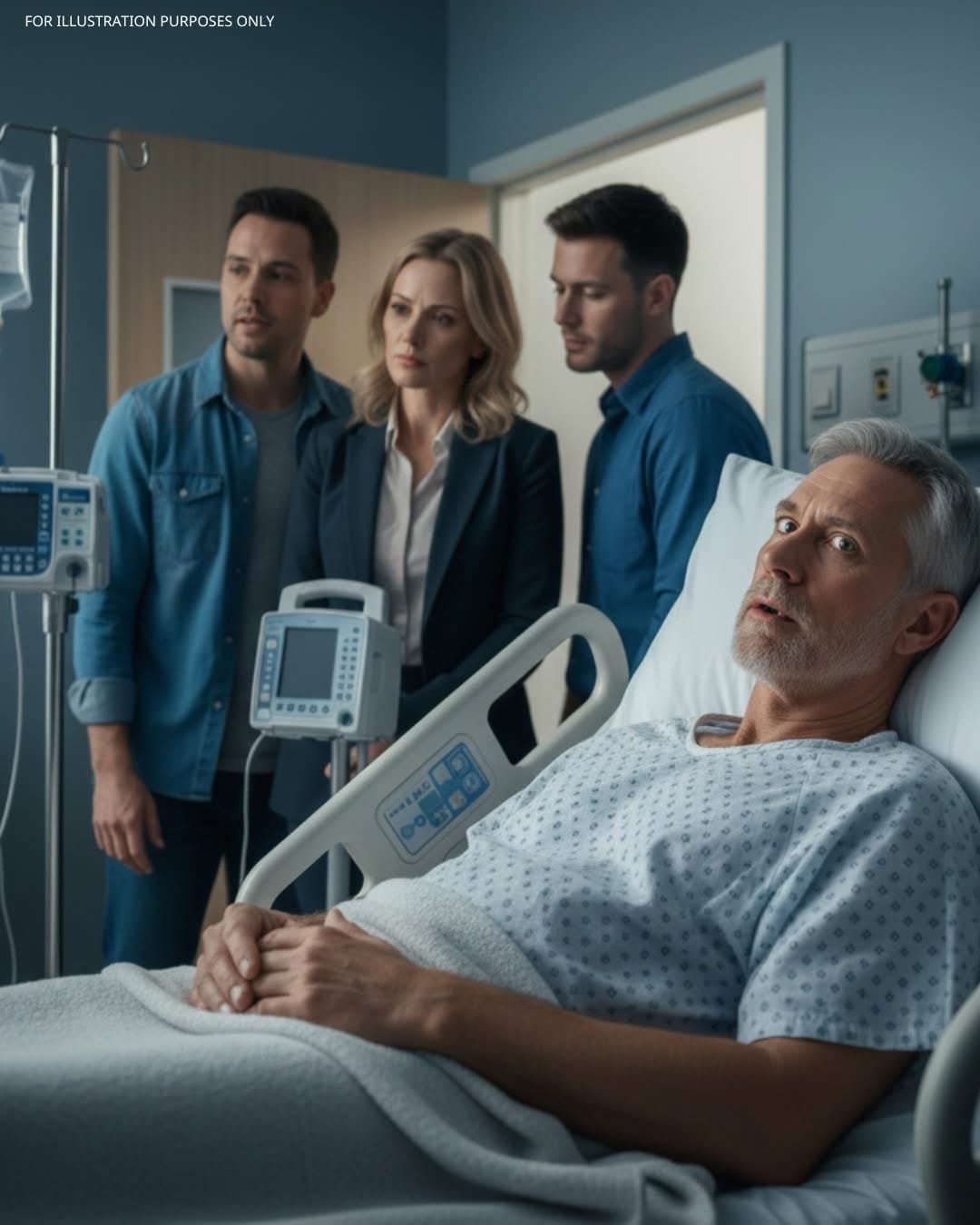
I woke up from the coma at the exact moment I heard my son whisper:
— If he dies, we’ll put the old woman in a nursing home.
My blood froze.
By instinct, I kept my eyes closed.
I was hospitalized at the municipal hospital in Méier, in Rio de Janeiro, surrounded by pain, darkness… and familiar voices around my bed. I had suffered a stroke, and the doctors didn’t know if I would wake up.
But I did.
And I woke up hearing my own children speak as if I were already dead.
It was Eduardo, my oldest son.
And Gabriela, my youngest daughter.
They believed I was still unconscious, on the brink of death.
Eduardo leaned closer to the bed and whispered:
— When he’s gone, we’ll put Mom in a nursing home. It’s better than leaving her alone.
Gabriela sighed, impatient:
— Fine… but we need to organize the paperwork. And then we’ll sell the house. Split everything and be done with it.
My heart skipped a beat.
I had fought to survive.
Fought to come back.
And this was the first conversation I heard from the children I had devoted my entire life to?
I wanted to open my eyes.
I wanted to scream.
I wanted to ask when my children had turned into strangers, waiting for my body to grow cold so they could start counting.
But I stayed still.
Controlled breathing.
Eyes closed.
Because something in the coldness of their voices paralyzed me more than the coma ever had.
— Pretend to be sad for a while — Eduardo said. — That’s what people expect.
When they left the room, the monitor beside me began to beep.
Not from pain.
But from indignation.
Hours later, during the night shift, the nurse adjusted my blanket. I opened my eyes for a few seconds and whispered:
— Call my wife. And tell her not to speak to anyone… only to me.
Lúcia arrived after midnight. Her hands were shaking as they held mine. She was exhausted, aged by the fear of losing me.
I told her everything I had heard.
She didn’t cry out loud.
She cried in silence.
The kind of crying that comes when a mother realizes she has given her entire life to people who no longer see her as a mother — only as an obstacle.
— We’re leaving — I said.
— Tomorrow.
She looked at me, startled.
— And our children?
— They left a long time ago — I replied.
I was discharged two days later.
But when I got home, I experienced the greatest disappointment of my life.
My bedroom had been ransacked.
Documents disturbed.
Drawers left open.
In the office, I found copies of property deeds, insurance policies, and bank statements sorted into folders. Everything organized… not to take care of me, but to replace me.
They were already preparing.
At that moment, something inside me died for good.
We didn’t argue.
We didn’t confront them.
We didn’t explain anything.
In silence, I sold the house.
Transferred what belonged to Lúcia and me into a protected account.
Changed my will.
Canceled powers of attorney.
And when everything was ready, we left only one letter on the living room table.
“We didn’t die.
But we are no longer part of your plans.
Live with what remains.”
The next morning, we left.
Today we live in another country.
A simple, peaceful place.
Where no one knows us for what we own, only for who we are.
I go to physical therapy. I walk slowly.
Lúcia has slowly begun to smile again.
But something else also began.
I learned that raising children does not guarantee gratitude.
That love is not a lifelong contract.
And that sometimes, surviving… also means knowing when to leave.
I woke up from the coma in that hospital.
But it was there that I truly woke up to reality.
And this time, I didn’t close my eyes.