“The Lost Album”
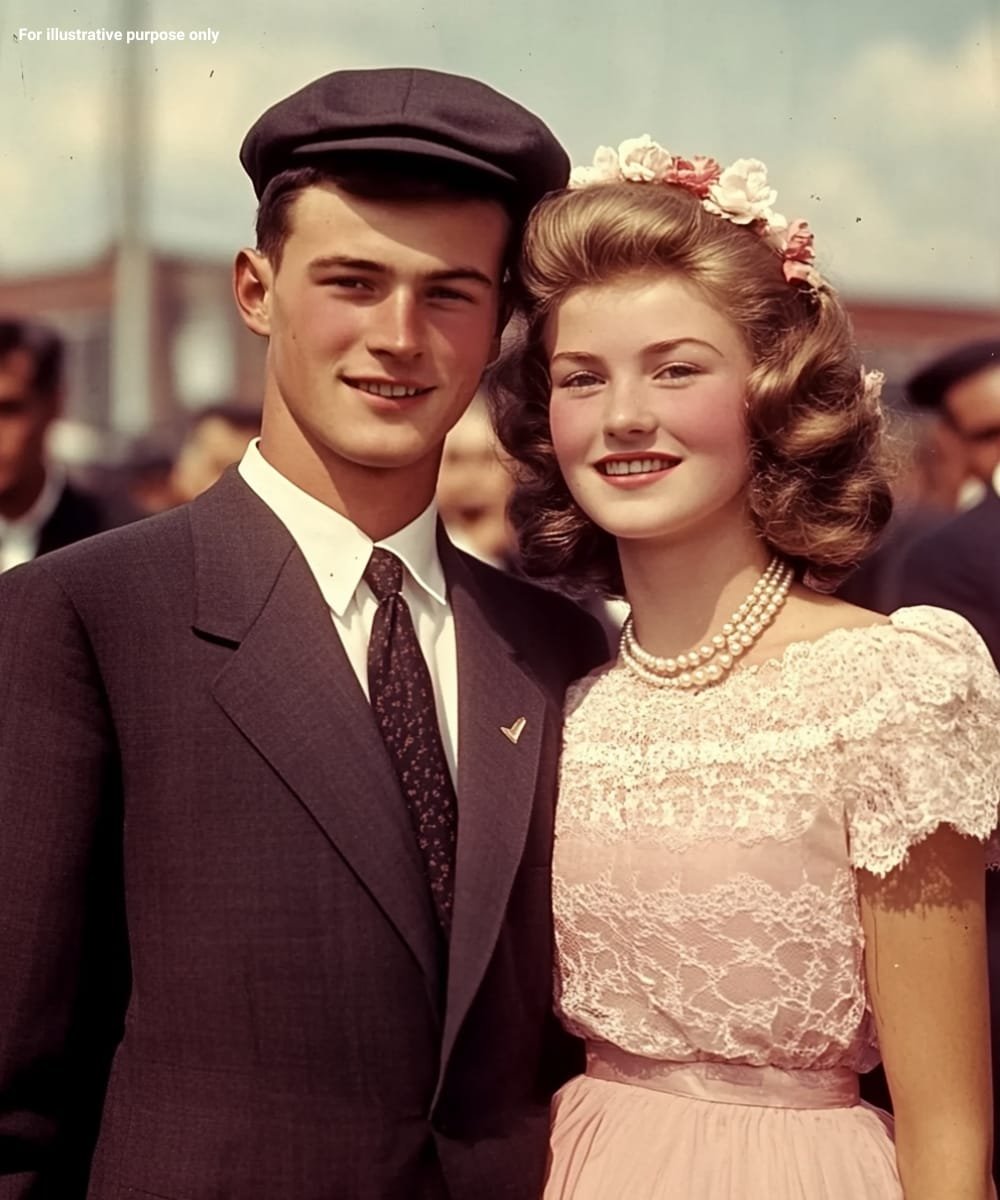
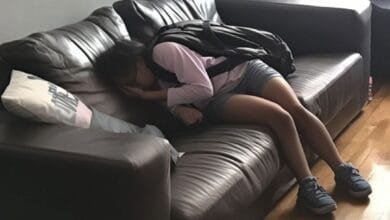
Lena disappeared in 1990, on the night of her graduation.
It was a warm June evening. The house smelled of lilacs and freshly baked vanilla pie — her favorite, made by her mother, Olga. Lena spun in front of the mirror in a blue dress, laughing. Her father, Nikolai, watched her and thought, with a full heart: “This is true happiness…”
No one could have known that it would be their last night together.
After graduation, Lena never returned home. Not that night, not the next day, not ever. The search lasted months, but led nowhere. The police had no leads, witnesses contradicted each other, and the only rumor — of a girl seen near the highway — proved false.
Years passed. Olga barely left the house. Nikolai aged prematurely. Hope, like the flame of an old lamp, slowly dimmed.
Then came 2012.
One rainy October day, Nikolai climbed into the attic to clean. Dust hung in the air, and the room was filled with boxes of old books, toys, and forgotten memories. Then he found a photo album — Lena’s childhood album. School parties, family vacations, her first day of school…
But one photo didn’t belong.
In it, Lena appeared as an adult, around thirty, standing by a wooden house in front of a mountain range. On the back was written:
“2002. I’m alive. Forgive me.”
Nikolai felt the ground shift beneath him. He took the photo to Olga. She held it with trembling hands, stared at it — and froze.
— “It’s her… it’s our Lena…”
— “She was alive…” Nikolai whispered. “After twelve years… and she never reached out. Why?”
The next morning, he began searching. He found a small guesthouse with the same name written on the photo, located in a remote village in Kyrgyzstan. Without hesitation, he packed, withdrew his savings, and set out.
The journey was long — trains, buses, an old van winding up the mountains. When he arrived, he recognized the building immediately. Inside, it smelled of old wood. A woman sat behind the counter.
— “Excuse me. Do you know a woman named Lena? Lena Nikolaeva. She may have lived here about ten years ago…”
The woman looked at him closely.
— “Wait… are you Nikolai? Her father?”
— “Yes…”
She walked over, opened a drawer, and pulled out a worn envelope. On it, in large handwriting, it said:
“For Dad. Only if he comes himself.”
Nikolai’s hands trembled as he opened it.
**Dad,
If you’re reading this, it means I was wrong.
I ran away in 1990. Not from you — from fear.
I fell in with the wrong people, and when I realized it, it felt too late to return.
I was ashamed.I’m alive. I have a son. His name is Artyom.
He never met you.I wanted to write many times. But I couldn’t.
If you’ve come, find me. I’m not far.
Forgive me.
— L.**
Tears soaked the paper as he read the letter again and again. Then the woman said:
— “She lives in the next village. If you want, I can take you…”
Soon after, Lena appeared — tall, dark hair, the same eyes. She froze. So did he.
— “Dad?”
Nikolai couldn’t speak. He simply nodded. Moments later, they were in each other’s arms.
— “I’m sorry…” she whispered. “I’ll make it right. I promise.”
Years passed. Laughter returned to the house. Artyom, Lena’s son, called Nikolai “Grandpa.” Olga planted flowers again.
On the last page of a new photo album, a family portrait: Lena, Artyom, Nikolai, and Olga.
The caption:
“Family is when we find each other. Even after twenty-two years.”
Artyom grew up curious and creative. He loved taking pictures of abandoned places and called them “traces of life.”
— “We have a true artist growing up,” Nikolai would say proudly. “He doesn’t use a paintbrush — he uses a lens.”
Lena became a literature teacher. Her students loved her. Life finally found rhythm and meaning.
But time moves on.
One spring morning, Nikolai passed away. Beside his bed was a photo: Lena as a teen, standing with Olga, both smiling.
On the back:
“You taught me to remember. Thank you, Grandpa.”
Five years later, Artyom studied photography and journalism at Moscow University. Every letter home began with:
“Hi Mom. I miss you. I remember.”
In 2026, Artyom published a book titled “Photo Album.” It included photos, letters, Lena’s monologues, Olga’s diary entries, and stories about Nikolai. It wasn’t a perfect story — but it was real. Honest. Alive.
The book unexpectedly touched thousands. Lena was invited to speak at a launch event. Nervously, she stepped on stage and said:
— “Thank you for remembering us. Because when we’re remembered… we’re alive.”
And in that moment, one truth became clear:
No one truly disappears.
They become silence, wind, light between the leaves.
And if you remember — you’re with them. Always.